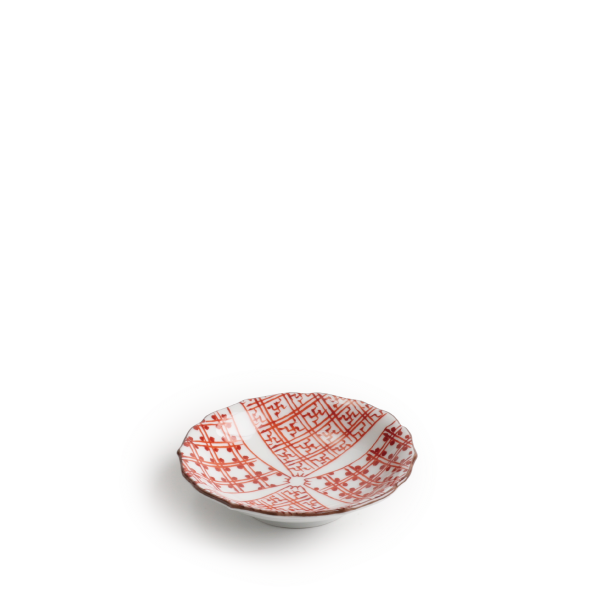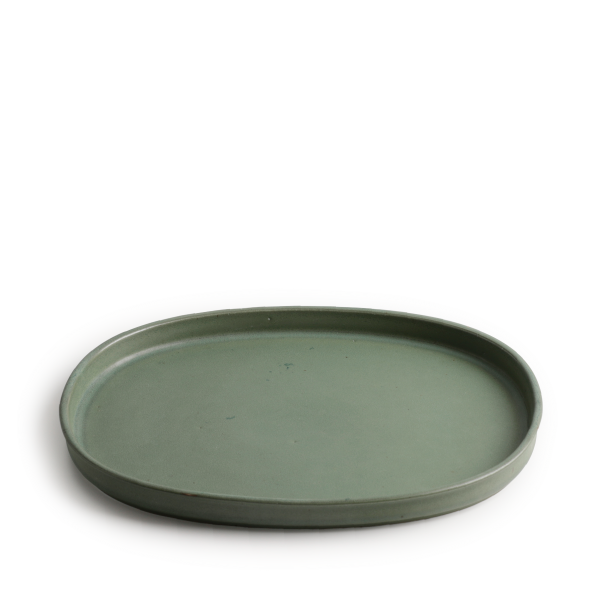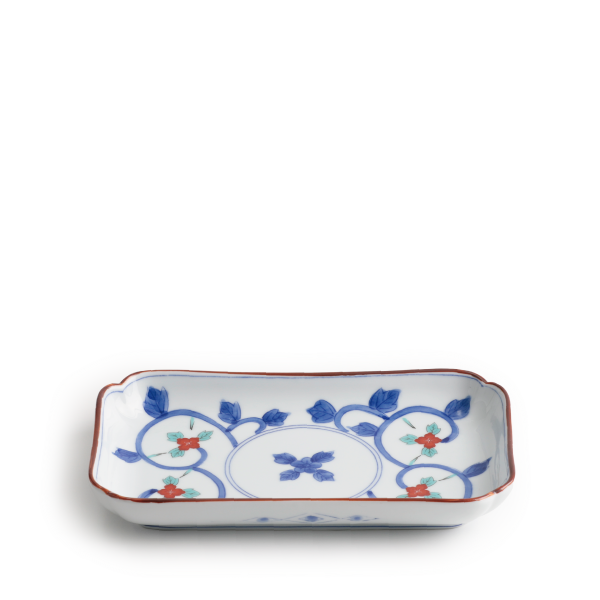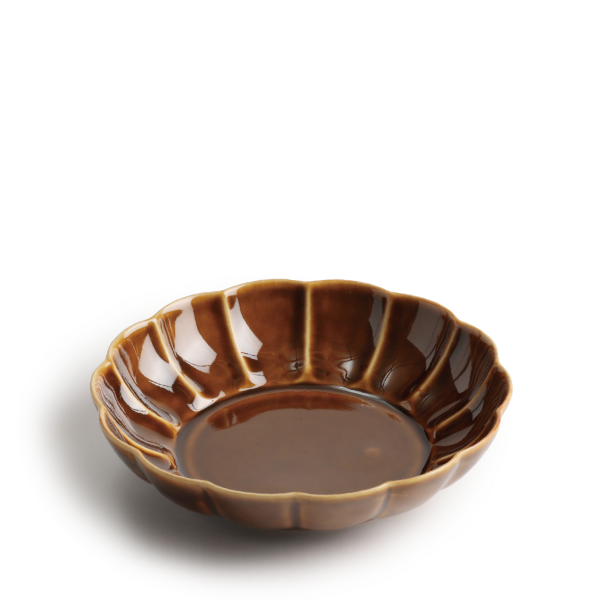











The charm of gosu blue and the warmth of the glaze
Shin-gama has dedicated itself to hand-painting, bringing countless pieces of tableware into the world. "SEIKA," which signifies "blue and white hand-painted ceramics," was born in 1976. Among its most iconic motifs is the "Komojin". Its origins date back to the 17th century, when Arita ware exported to Europe through the Dutch East India Company featured designs known as "Kōmō-de." Captivated by their charming appearance, the artisans at Shin-gama worked through repeated prototyping to recreate them, and they have been beloved for nearly half a century since.

Made by Nakagawa Masashichi Shoten
SEIKA - Kaya-ori Dishcloth
To commemorate SEIKA's 50th anniversary, we collaborated with Nakagawa Masashichi Shoten to create an original SEIKA mosquito net weave dishcloth. Kaya-ori, a traditional craft from Nara, is a thin fabric originally used for mosquito nets. It becomes softer with each use, boasts excellent absorbency, and is durable for long-term use.
Go to product pageRanking
Popular SEIKA Items


Line up
All SEIKA products
Filters
244 products


Series
Select by series

New Technique
TOKI Small Plates

Great for Gifts
Ekawari Series

SEIKA Classic
Nagasaki-mon

Signature Motif
Komojin

Delicate Karakusa
Karakusa Ijin

East Meets West
Glass Ijin

Scattered Motifs
Ijin Zukushi

Frilled Rinka Rim
Madori Ijin

Ships & Waves
Daikokai

Modern Sometsuke
Edo-mon

Easy to Scoop
LAKTAK

Real Ware for Kids
Kids' Tableware
Category
Shop by shape

Cups

皿

Small Plates

鉢

Rice bowl / Bowl

Teacups

Soba Choko Cups

Teapots & Pots

Others


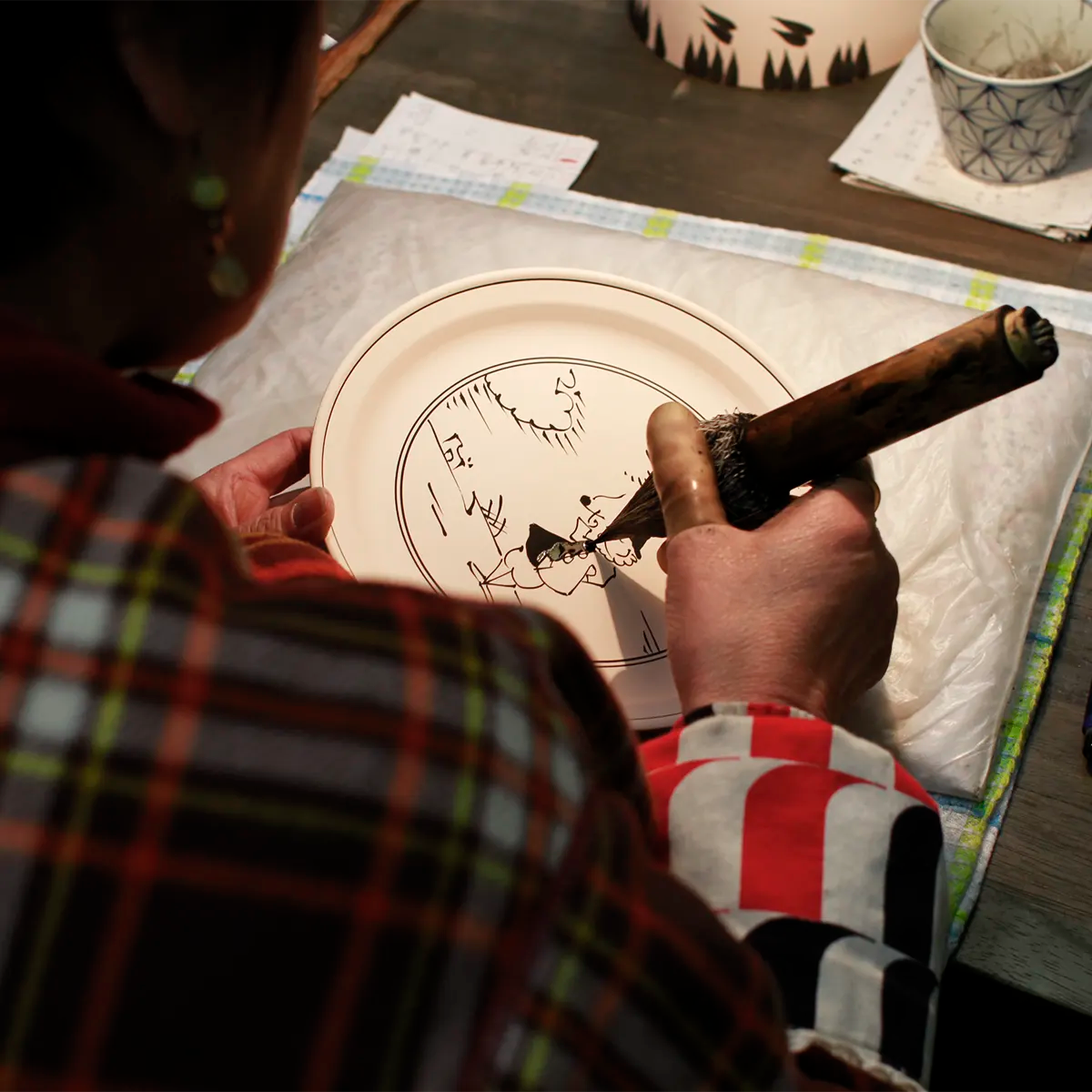
Workshops that insist on hand-painting are always filled with tension, where artisans hold their breath and focus intently on applying pigment known as gosu to the bisque-fired pottery, strictly following defined brushstrokes and compositions. Over the course of a year, 200 brushes are used and replaced; their tips are worn down by the surface of the bisque ware, ending their service life in about 60 days.

Gosu is the raw material for pigment, and its range of color is limitless. The gosu used for SEIKA was created through a unique blend, aiming for the deep, evocative blue of early Imari ware produced 400 years ago. It is not overly ornate, but possesses a somewhat nostalgic quality.

The amount of hand-painting that can be done in a day is limited. Even in Arita, a region renowned for its expertise in pottery decoration, the number of artisans who paint by hand has been declining with the times. Amidst this, SEIKA continues to focus solely on hand-painting. This is because there is a unique quality in each piece that cannot be replicated by printing.

SEIKA ware is fired slowly at a high temperature of 1300°C over the course of three days. Because of this, it is durable, resistant to breakage, and built to last. Some people who cherish these pieces have been using the same small plate for over 20 years. The fact that they combine beauty with functionality is one of the reasons why SEIKA ware is so highly favored.
Workshops that insist on hand-painting are always filled with tension, where artisans hold their breath and focus intently on applying pigment known as gosu to the bisque-fired pottery, strictly following defined brushstrokes and compositions. Over the course of a year, 200 brushes are used and replaced; their tips are worn down by the surface of the bisque ware, ending their service life in about 60 days.
Gosu is the raw material for pigment, and its range of color is limitless. The gosu used for SEIKA was created through a unique blend, aiming for the deep, evocative blue of early Imari ware produced 400 years ago. It is not overly ornate, but possesses a somewhat nostalgic quality.
The amount of hand-painting that can be done in a day is limited. Even in Arita, a region renowned for its expertise in pottery decoration, the number of artisans who paint by hand has been declining with the times. Amidst this, SEIKA continues to focus solely on hand-painting. This is because there is a unique quality in each piece that cannot be replicated by printing.
SEIKA ware is fired slowly at a high temperature of 1300°C over the course of three days. Because of this, it is durable, resistant to breakage, and built to last. Some people who cherish these pieces have been using the same small plate for over 20 years. The fact that they combine beauty with functionality is one of the reasons why SEIKA ware is so highly favored.
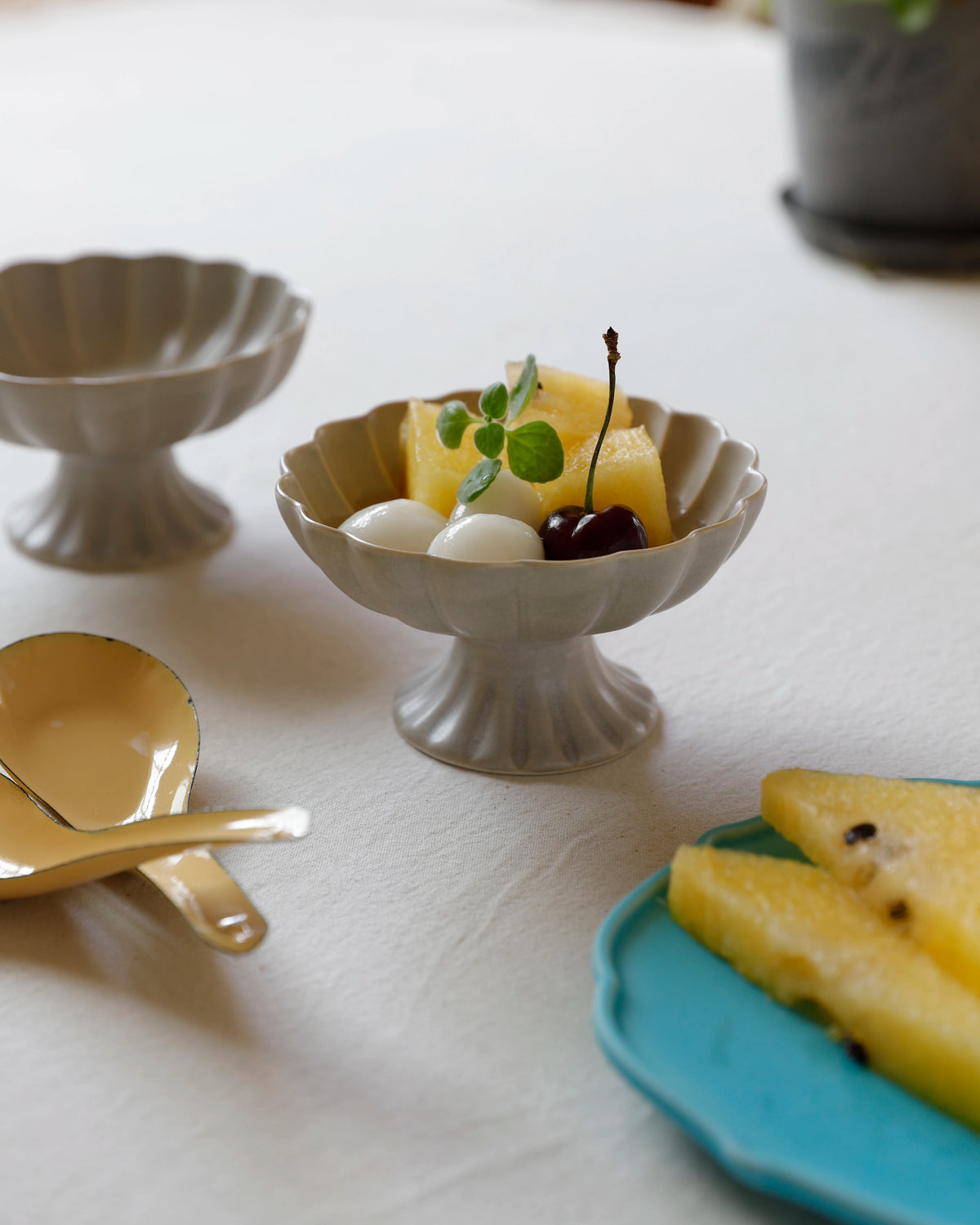
Cool, semi-matte texture
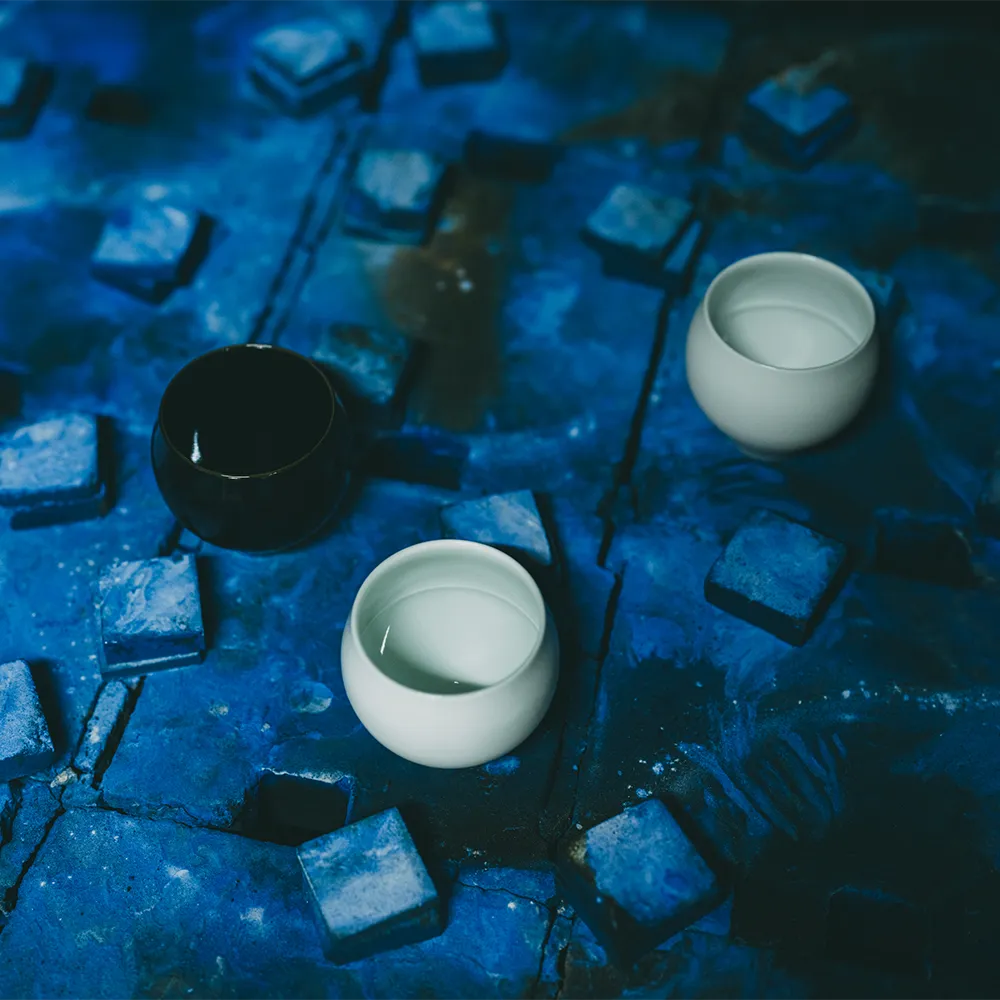
Shochu-dedicated hot water mixing cup

A global brand that inherits history and technology.

The charm and warmth of gosu blue.
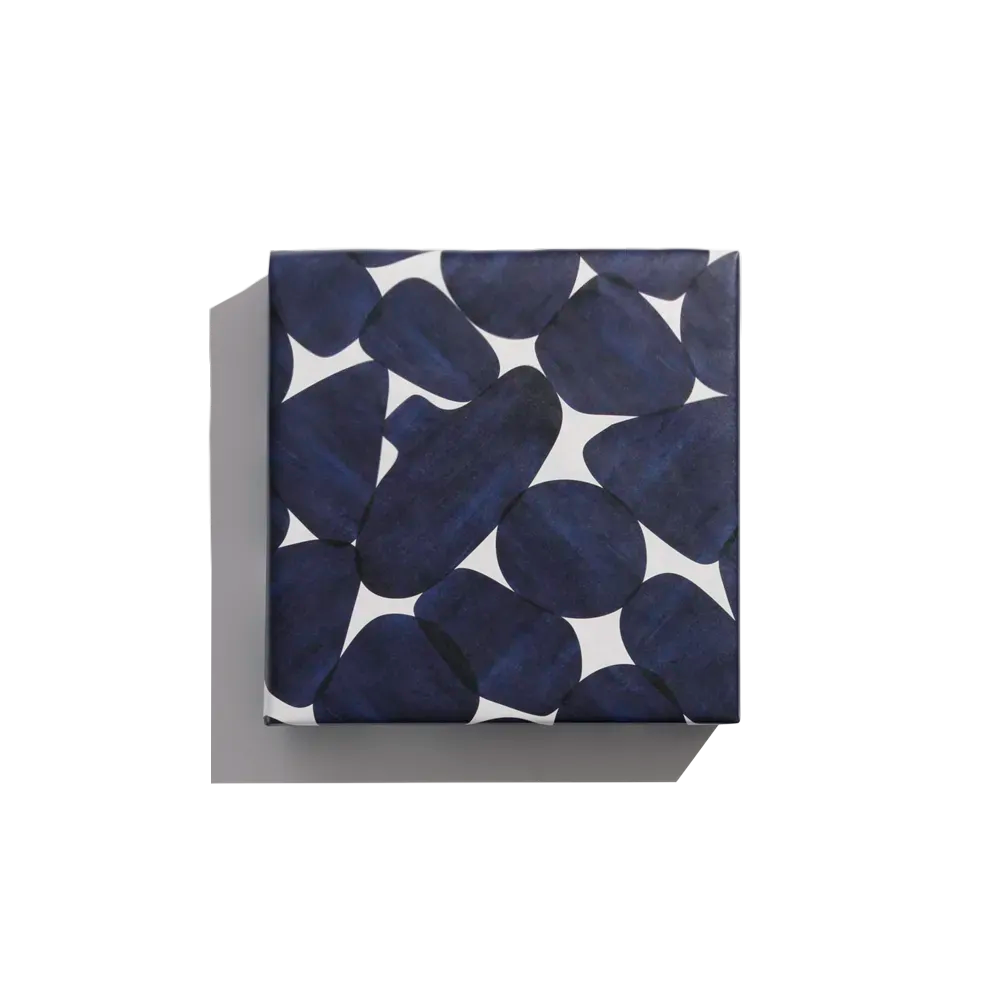
A Gift of Arita Ware
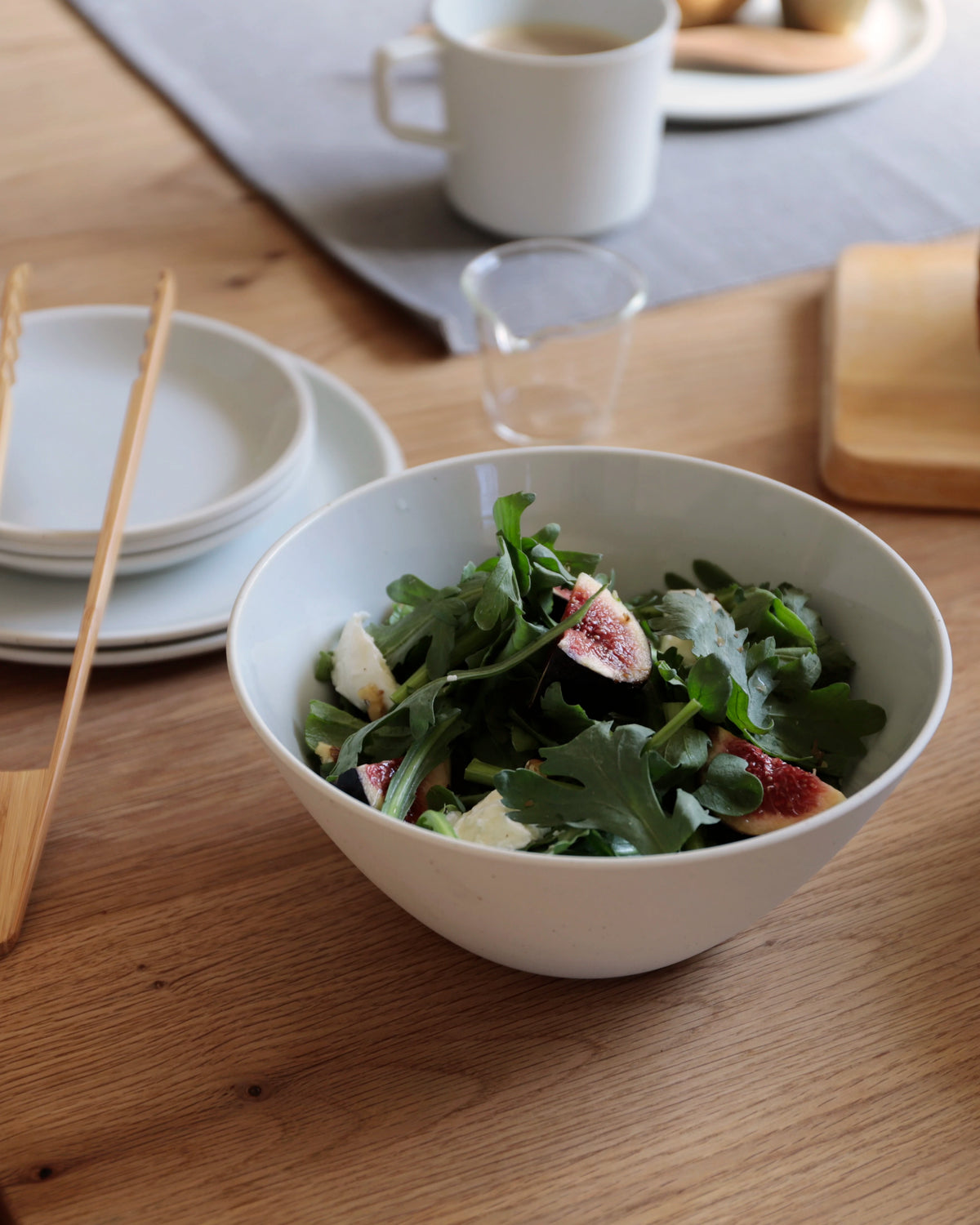
ARITA JIKI for effortless everyday use
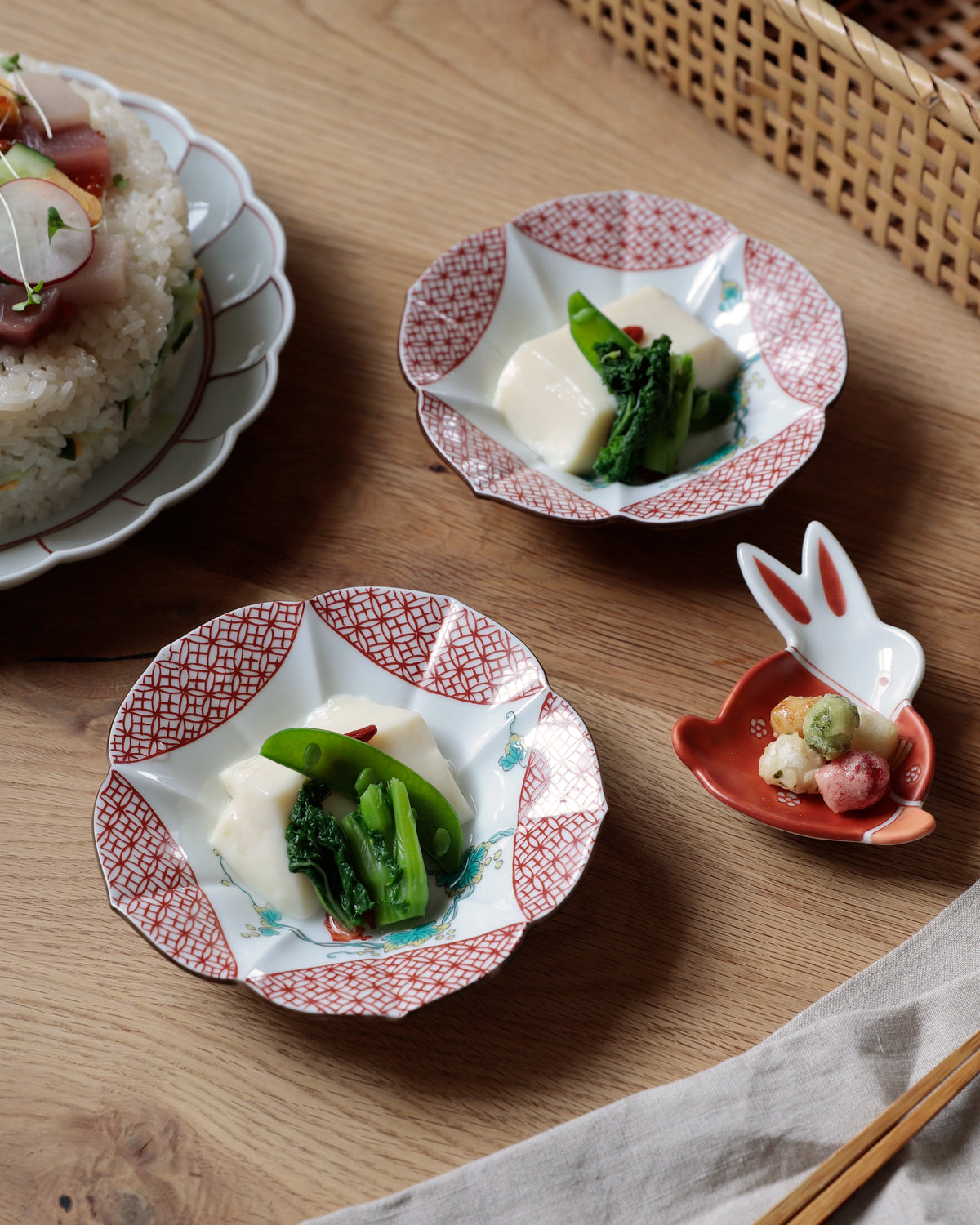
Festive tableware perfect for special occasions
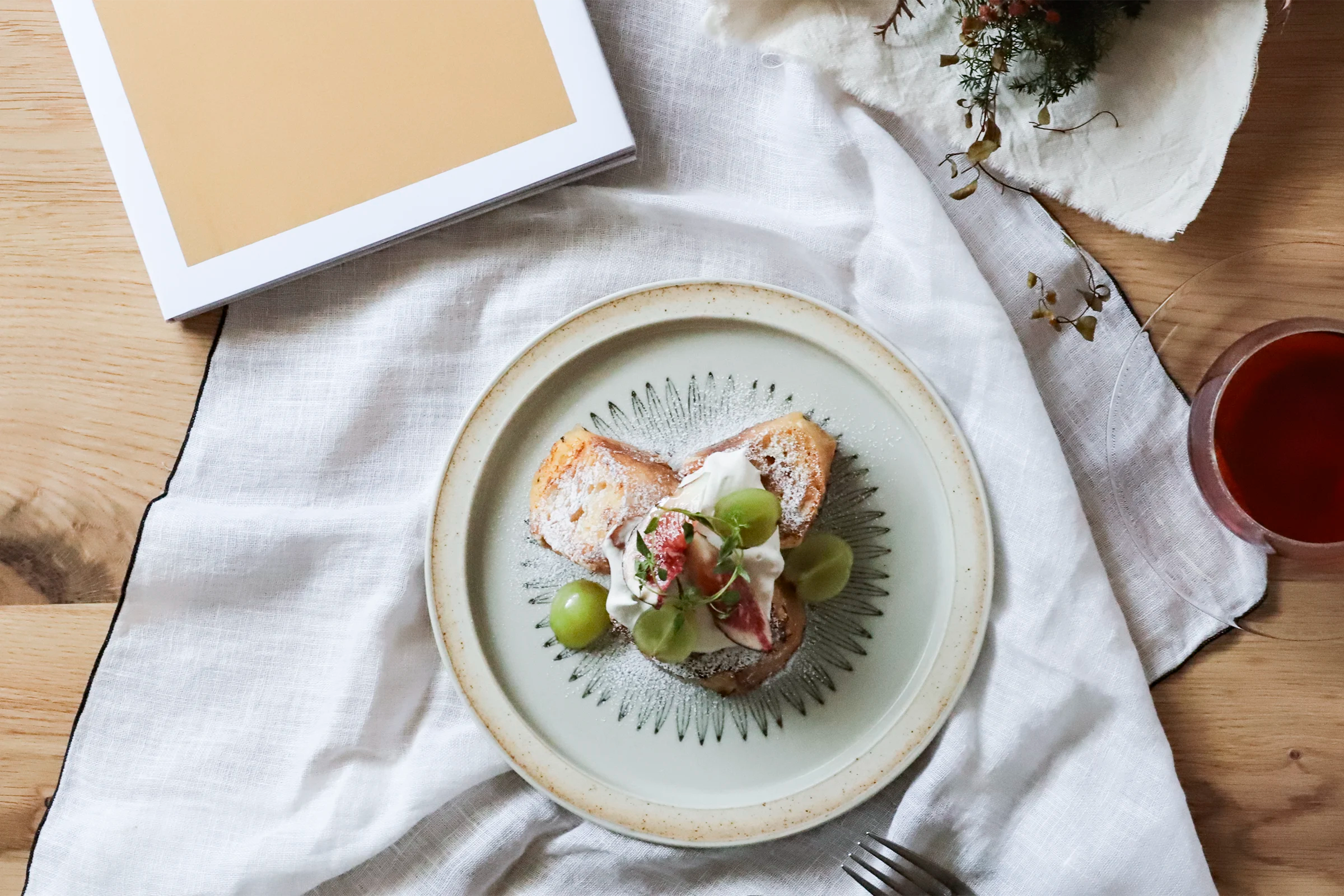
The unique charm of hand-carved seals
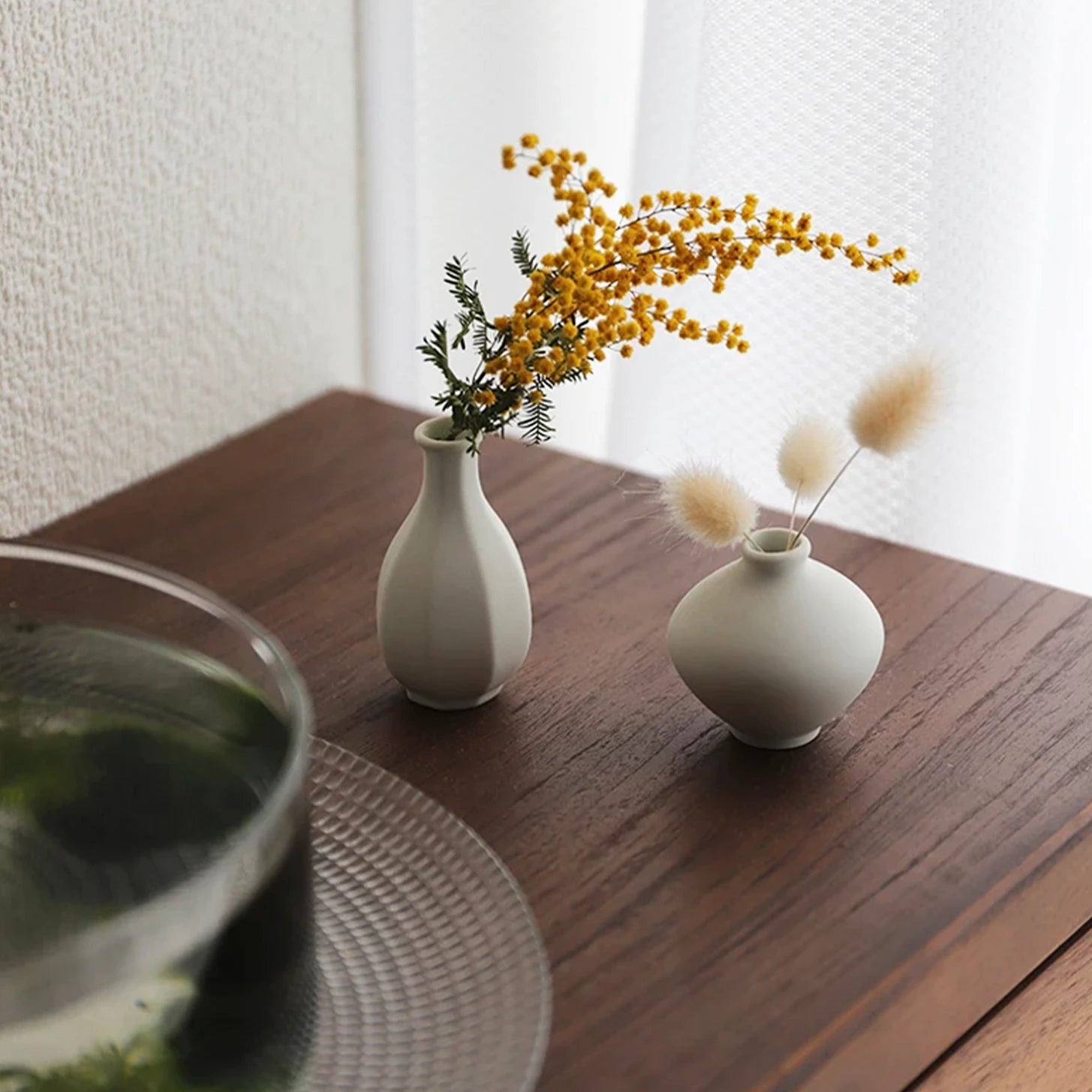
A Single Flower in Daily Life
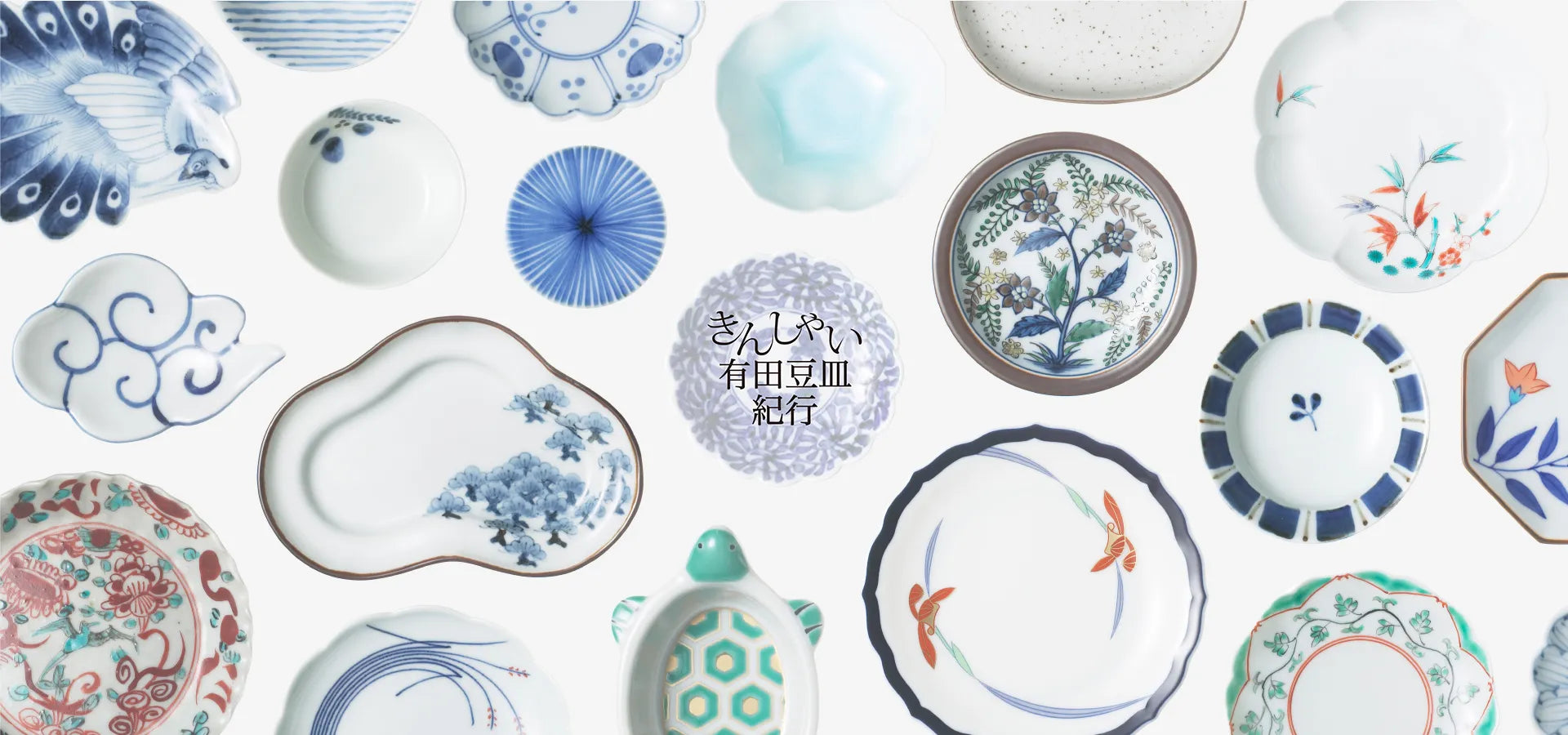
I have collected Arita-yaki mamezara (small dishes).
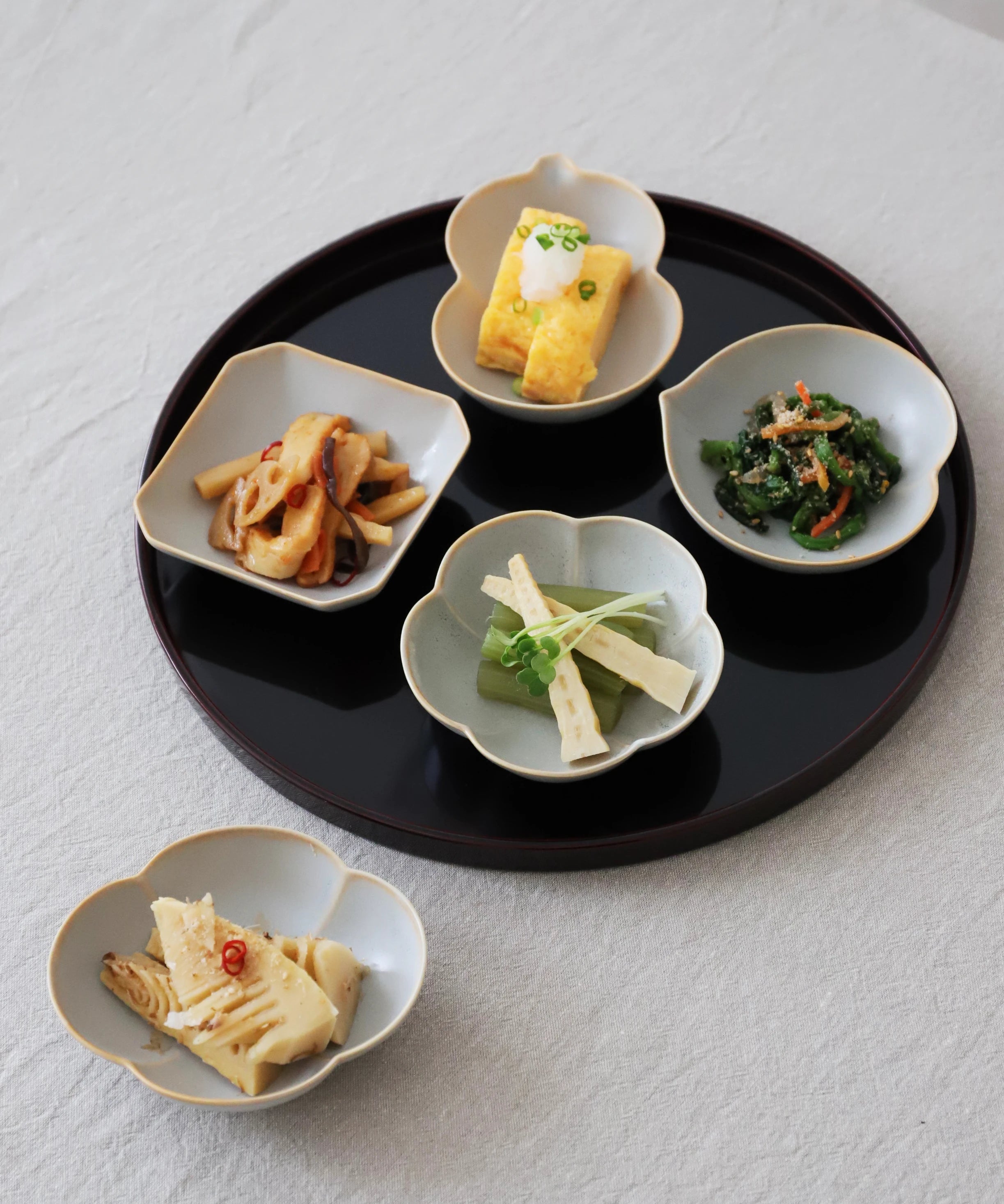
Motif of auspicious patterns
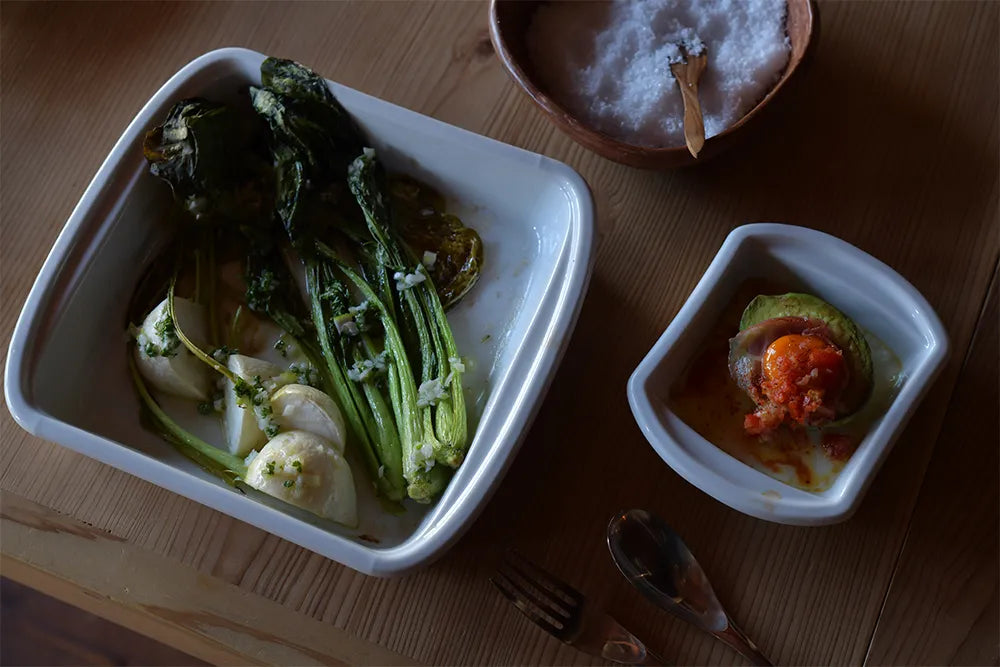
Oven-safe dishes for enjoying oven cooking
The charm of gosu blue and the warmth of the glaze