










Development Story

Material conversion
The development began with a phone call from Mr. Tsutsumi of CARAVAN Inc.
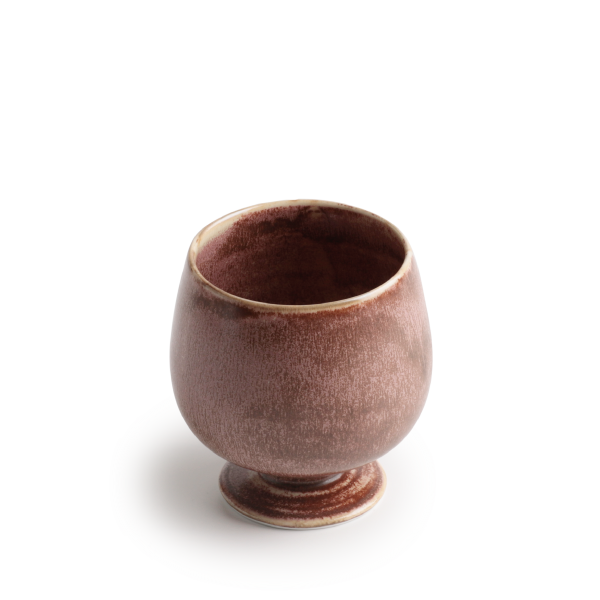
Having long sought the ideal cup for shochu mixed with hot water, Mr. Tsutsumi had commissioned a Bizen ware artist to create a piece that reached a pinnacle of both texture and functionality. Yet, he still reached out to us with a desire to "bring this to more people." With hand-thrown pottery, there was an unavoidable limit to how many could be produced.
To reach more dining tables, we decided to reconsider our materials. While the warmth of Bizen ware was appealing, we needed a material better suited for mass production to consistently ensure uniform quality. We arrived at Arita ware porcelain, which boasts a 400-year history. Porcelain is well-suited for molding with plaster casts and holds the potential for future developments in painting and decoration.
From the "warmth" of Bizen ware to the "beauty and functionality" of Arita ware—it was an inevitable choice made to bring this cup to as many people as possible.
Task 1
Forming the base
The challenge in development was achieving repeatable production while maintaining a uniform thickness and smooth curves. Its beautiful form brought various issues to light.

Cannot be reproduced with the mold alone.
Ceramics are made using plaster molds. It is easy when the shape can be removed from the mold as shown on the left of the diagram, but for these sake cups, the intricate, beautiful curves are everything. I simply couldn't compromise on them.
Through repeated trial and error...
↓
"Build it straight, then carve it out later."
Two-stage grinding + contour finishing
Machined
Uniform thickness. Soft curves. The delicate craftsmanship of an artisan gives each sake cup its own unique texture.


graceful curves
Through the accumulation of masterful craftsmanship, we have realized our ideal form. A sake cup that combines both functionality and beauty. With a design that harmonizes with any lifestyle, regardless of gender.
Task 2
Ingredient selection
Even among porcelain, there are many different types. Porcelain clay is graded based on its iron content. To achieve the beauty of white porcelain, it was necessary to select clay with a low iron content.

After 15 million years
Amakusa pottery stone
The raw material for Chuu-nomi is "Amakusa pottery stone," mined in the Amakusa region of Kumamoto Prefecture. It is a stone born from rhyolite that intruded underground approximately 15 million years ago and was altered over a vast period of time by the action of hydrothermal water. The most distinctive feature of Amakusa pottery stone is that it can be made into porcelain using this stone alone as a 100% single raw material, without mixing in any other ingredients. It is said that Amakusa is the only place in the world where such pottery stone can be mined. A singular stone nurtured by an unimaginably long span of 15 million years. Grateful to be able to use such a rare blessing, we continue to craft each vessel by hand, one by one, today.

By human eye. One by one.
Hand-picked ore
The mined Amakusa pottery stone does not become raw material just as it is. Stones transported from the mountain are each inspected by human eyes and sorted according to their rank. Confronting a vast quantity of stone based on criteria that only an experienced eye can judge—the whiteness of the stone, the presence or absence of iron, and the purity of quality—is a painstaking, time-consuming, and demanding task. Many people may think of potter's wheels, painting, or kiln firing when they think of porcelain making. But in reality, the craftsmanship begins long before the vessel takes shape, starting with "selecting the stone." This sake cup embodies the accumulation of those unseen processes.

Selected Amakusa
The beauty of white porcelain.
Out of the many available grades, the porcelain clay we selected for this sake cup is known as "Erijo," which ranks among the finest of Amakusa porcelain clays. There are two reasons for this. The first is its whiteness. Erijo clay fires to a moist, beautiful white reminiscent of a white jade, expressing the inherent beauty of the porcelain material in its purest form. The second reason is its low iron content. Clay with low iron content is less prone to warping during firing, allowing us to faithfully reproduce the original molded shape.
We entrusted the sourcing of this material to Koda Toudo, a company renowned for the beautiful white quality of their clay. Their expertly refined Erijo clay serves as the foundation for the refined appearance of this sake cup.

The ideal white.
And that is how this chonomu (sake cup) was born.
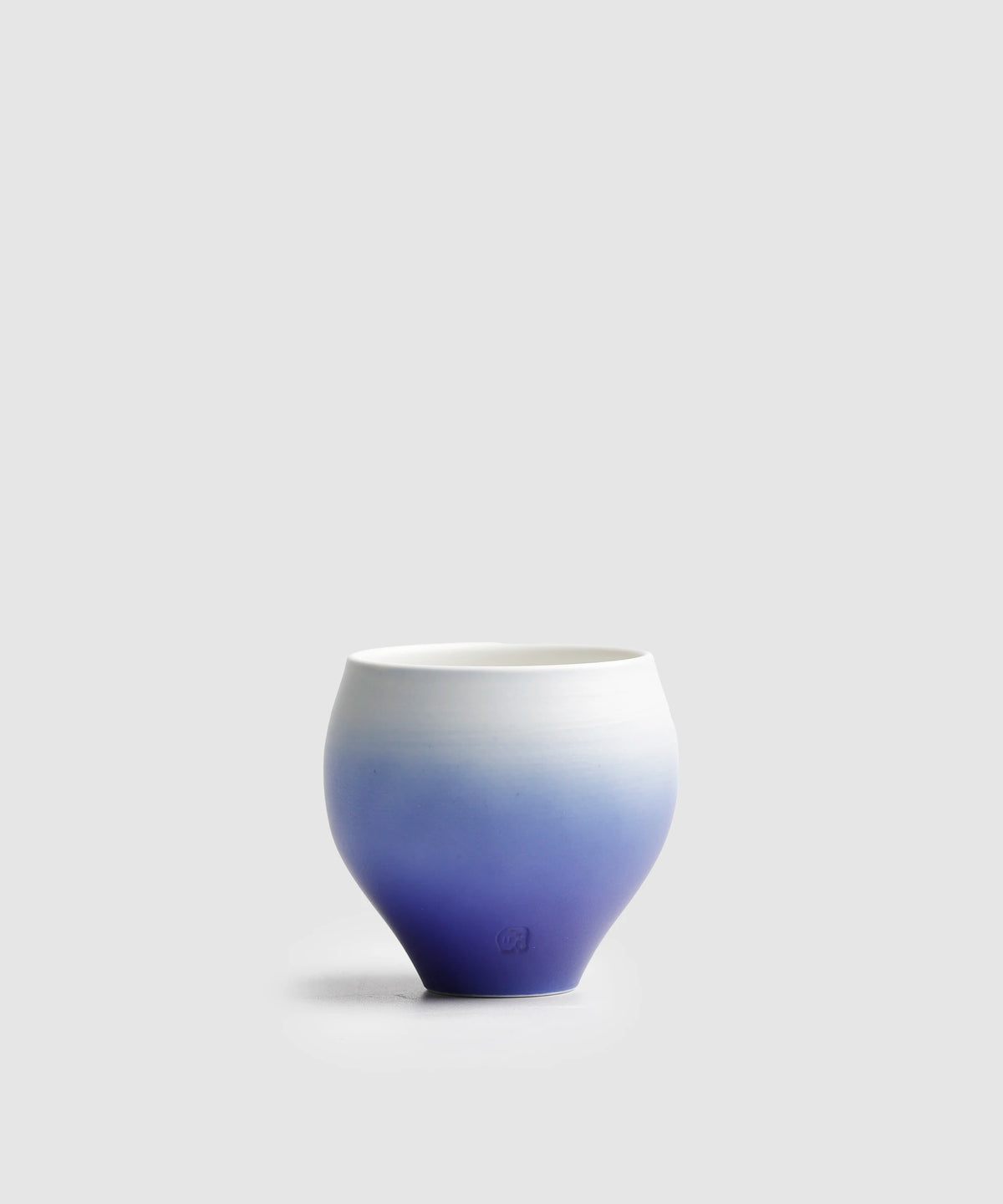
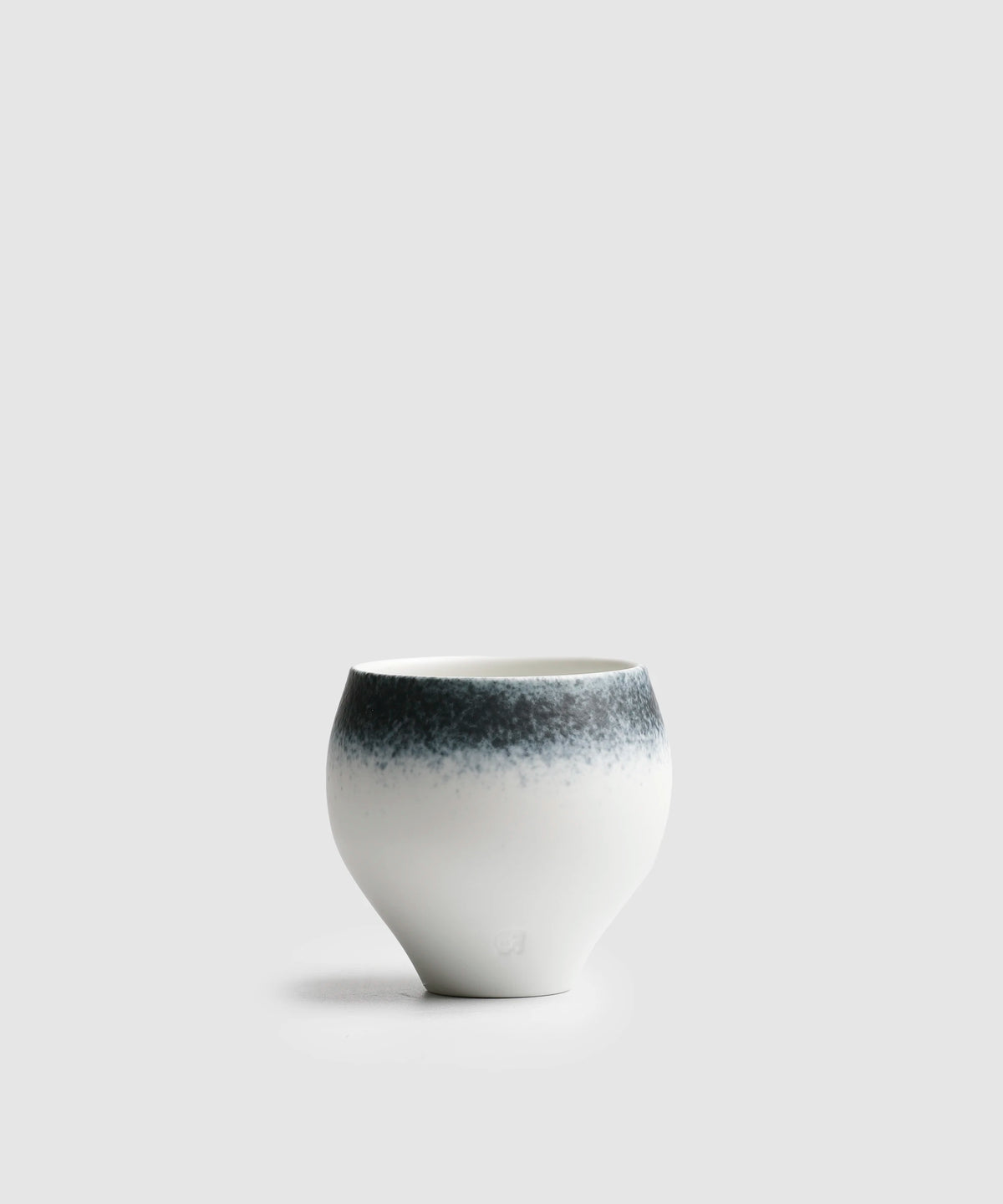
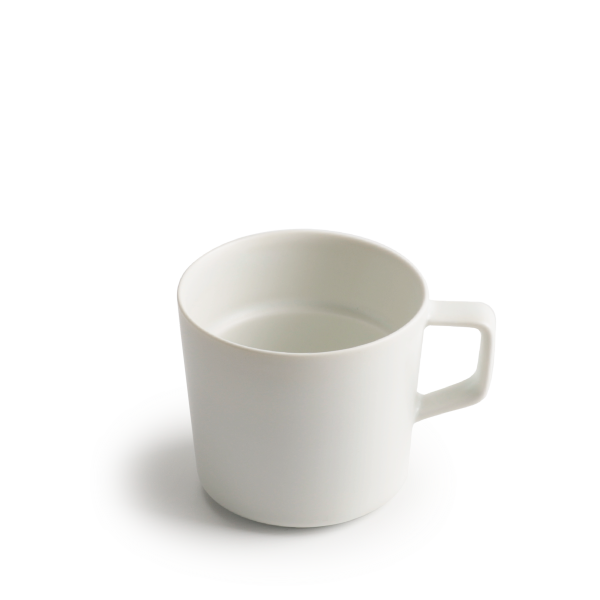
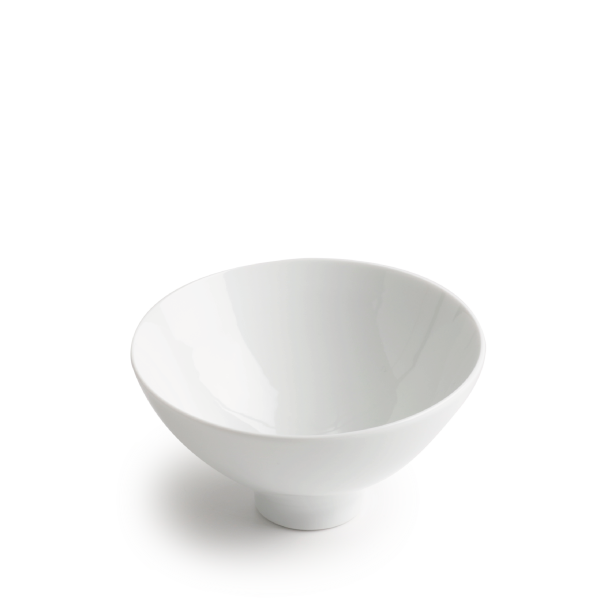
The first thing we want you to experience when you pick it up is the elegant presence of the white porcelain—a clear white that only Senjo clay can produce. Then, feel the smooth curve flowing from the rim to the body. As it rests in your palm, you will sense a soft, rounded texture, much like a white gemstone. The stone cultivated over 15 million years, the discerning eye that selects it, and the Senjo clay itself—all of these elements have come together to finally realize the ideal white porcelain we had long envisioned.
Task 3
Pottery studio
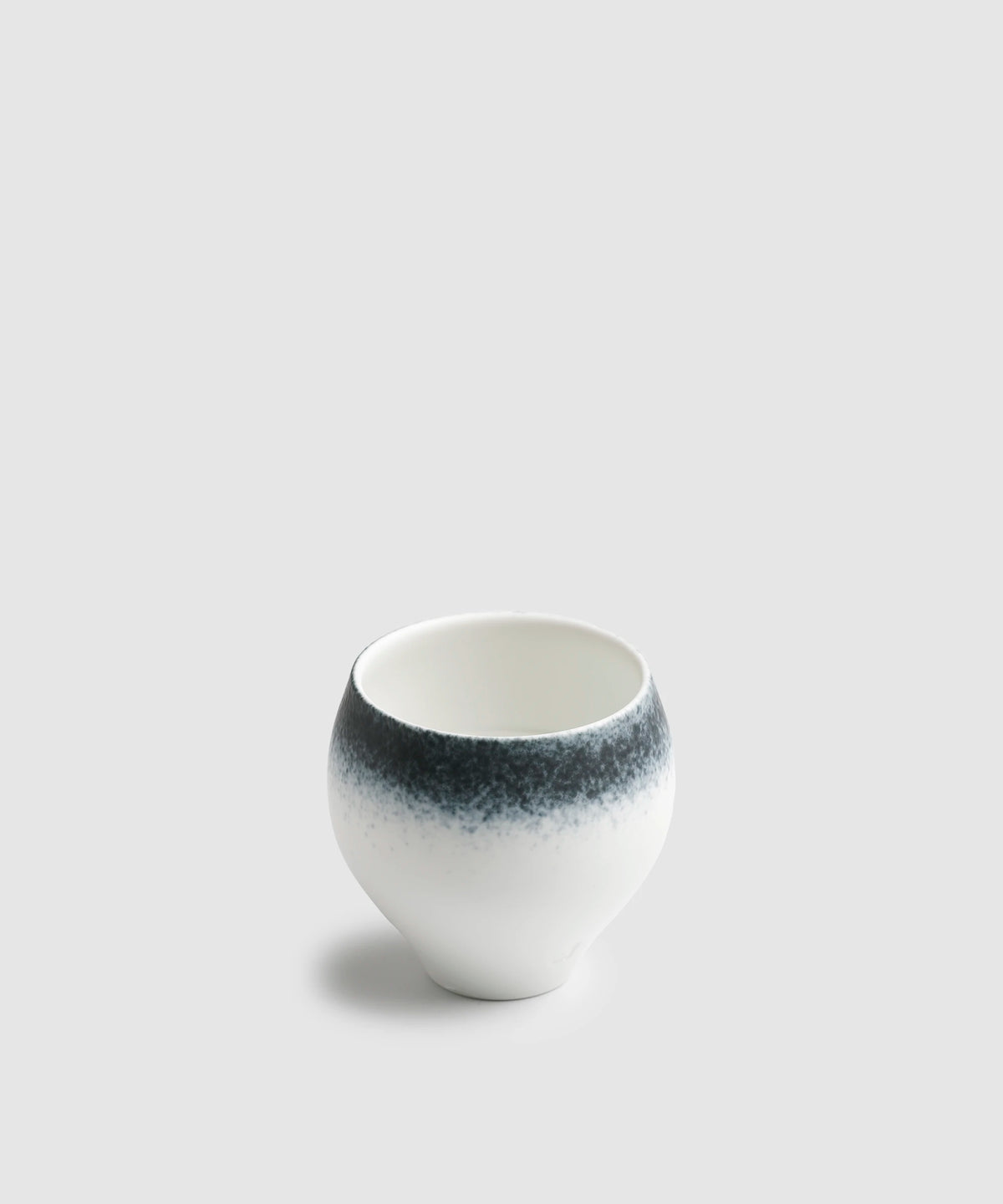
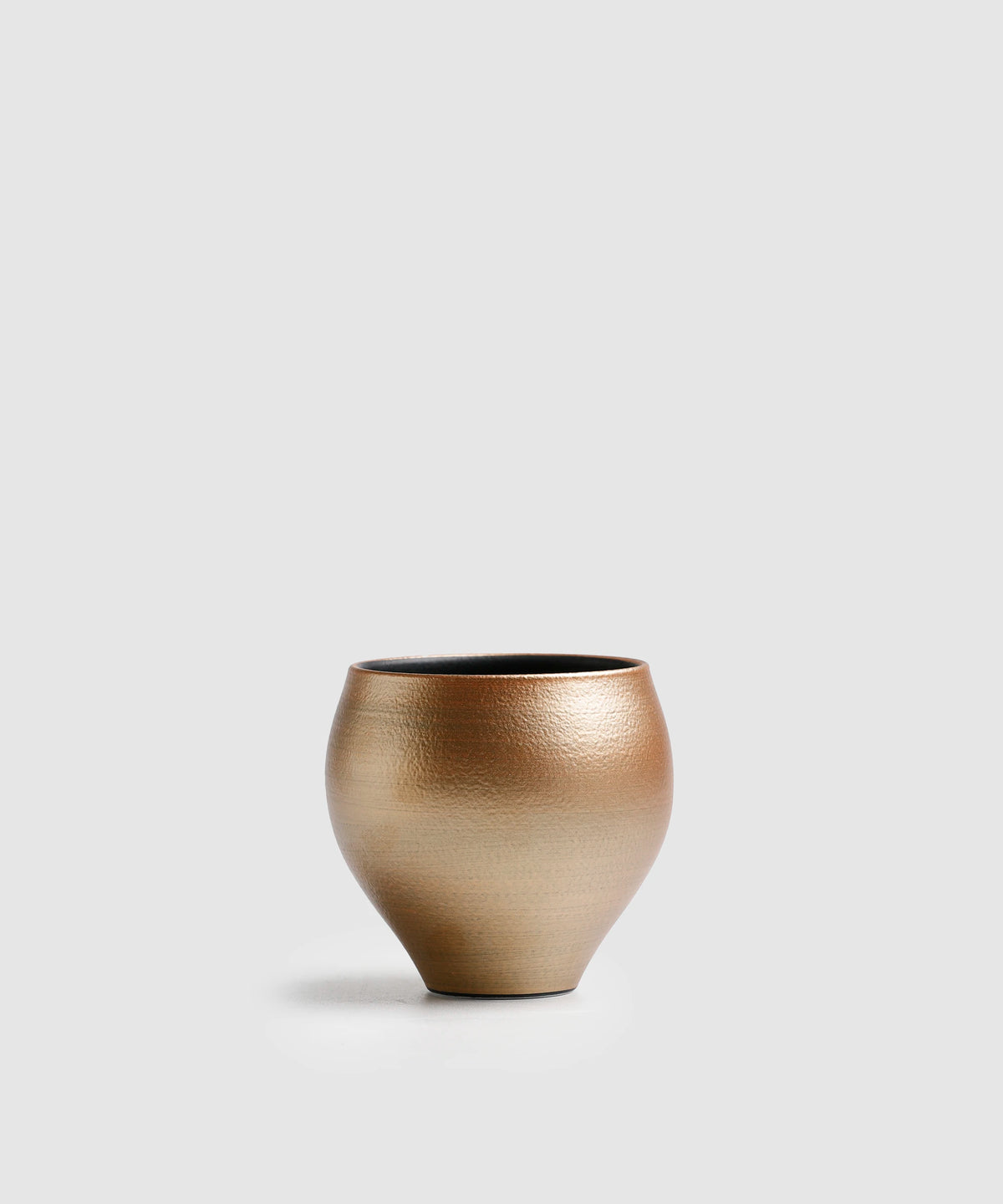
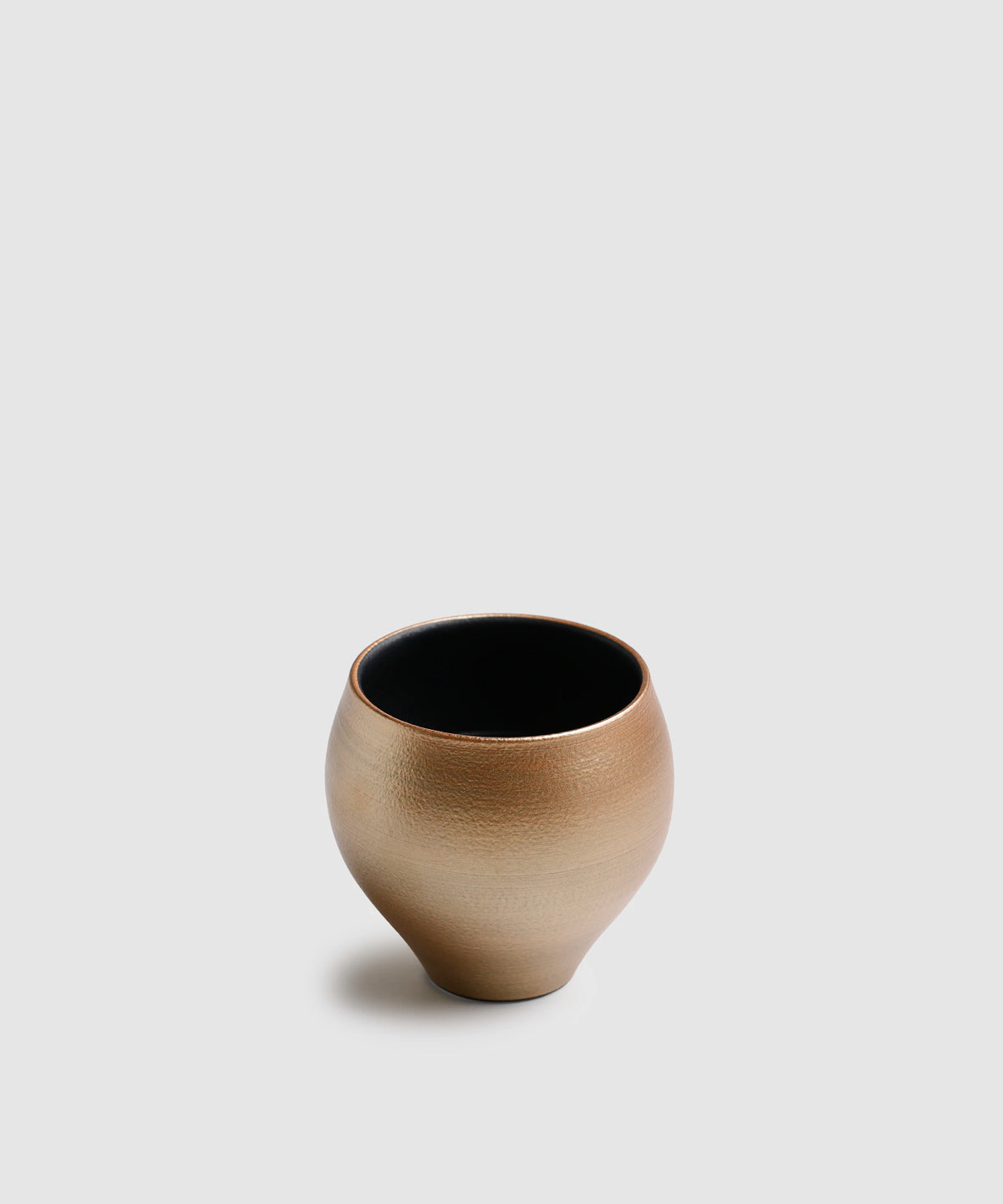
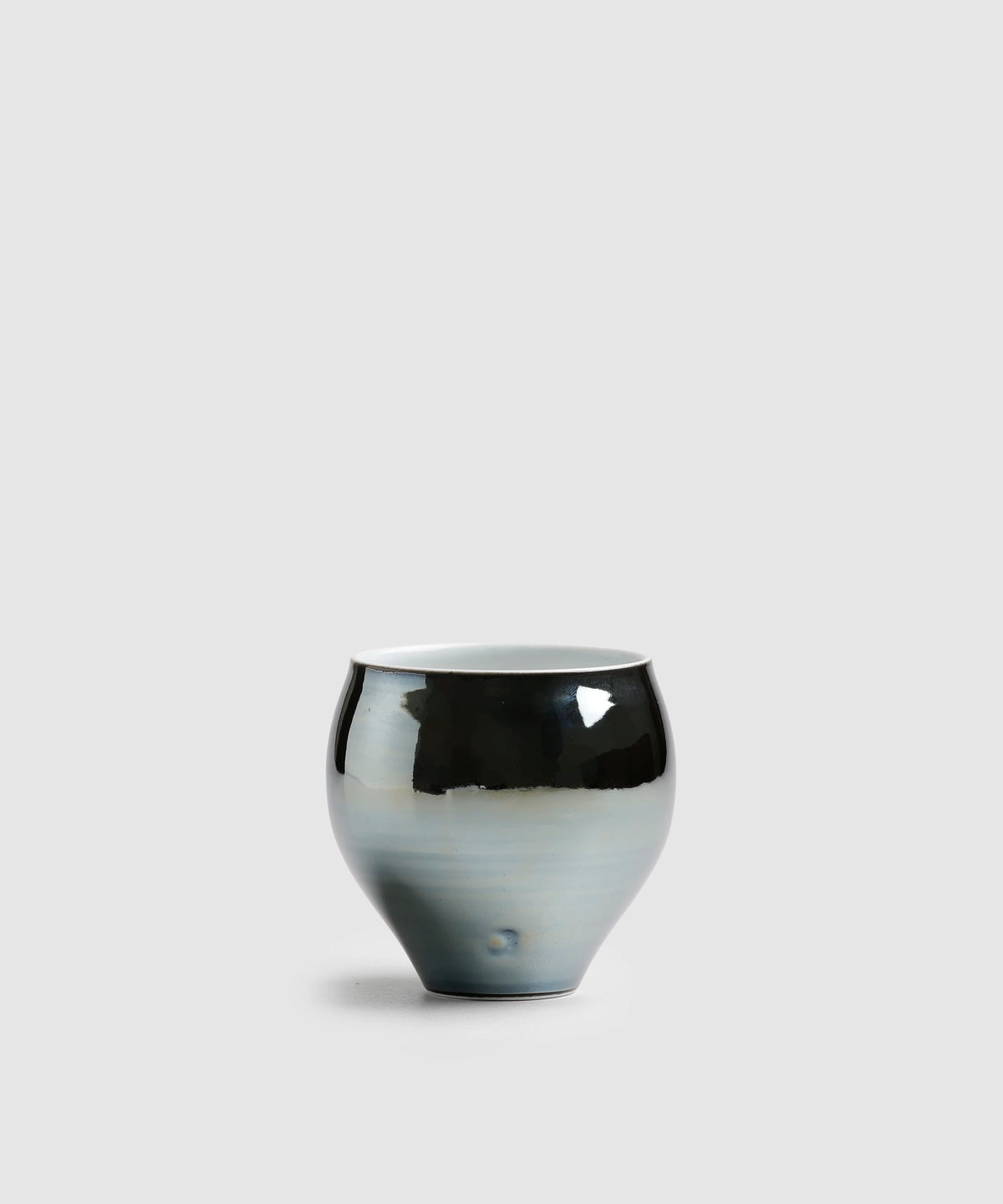
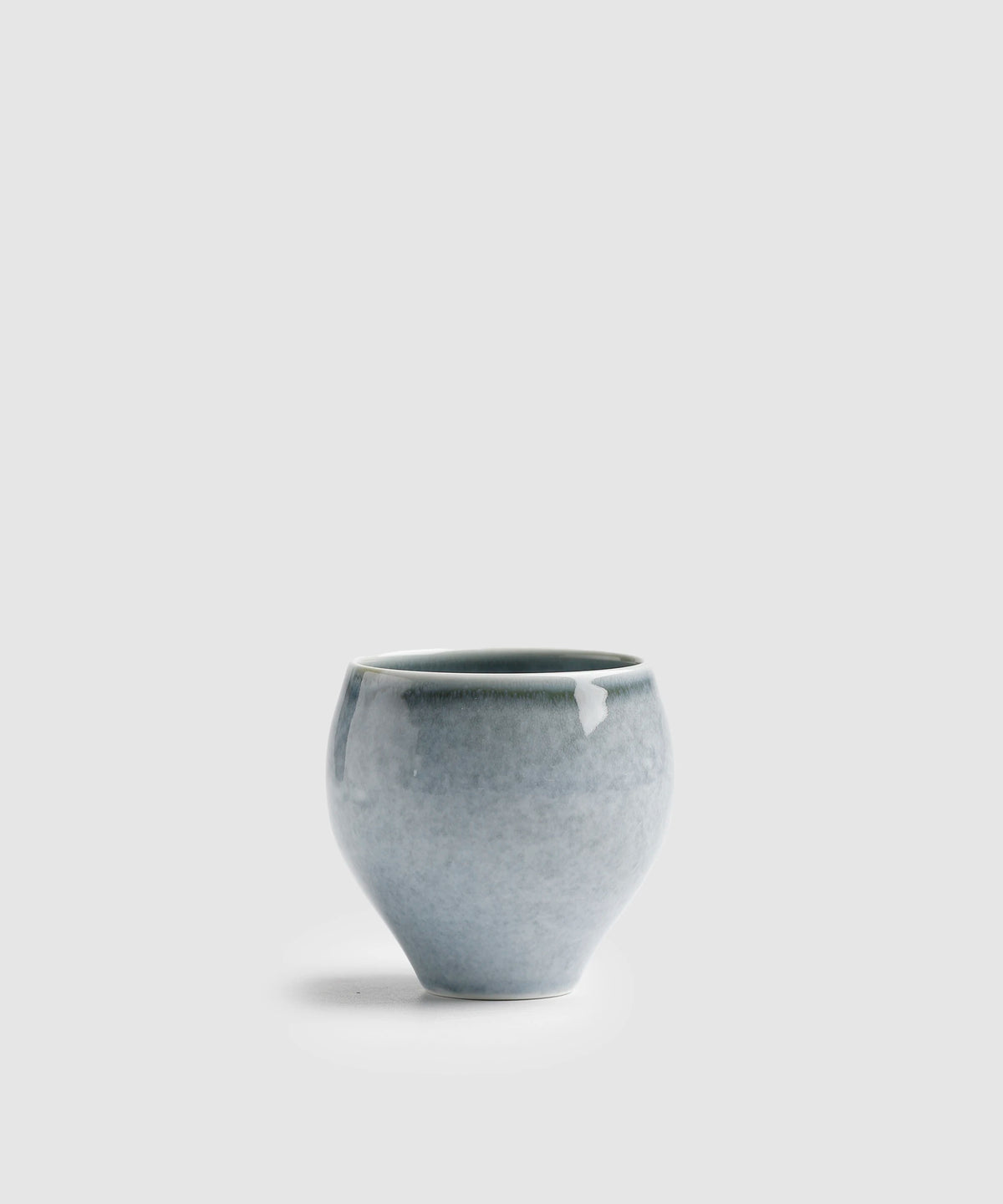
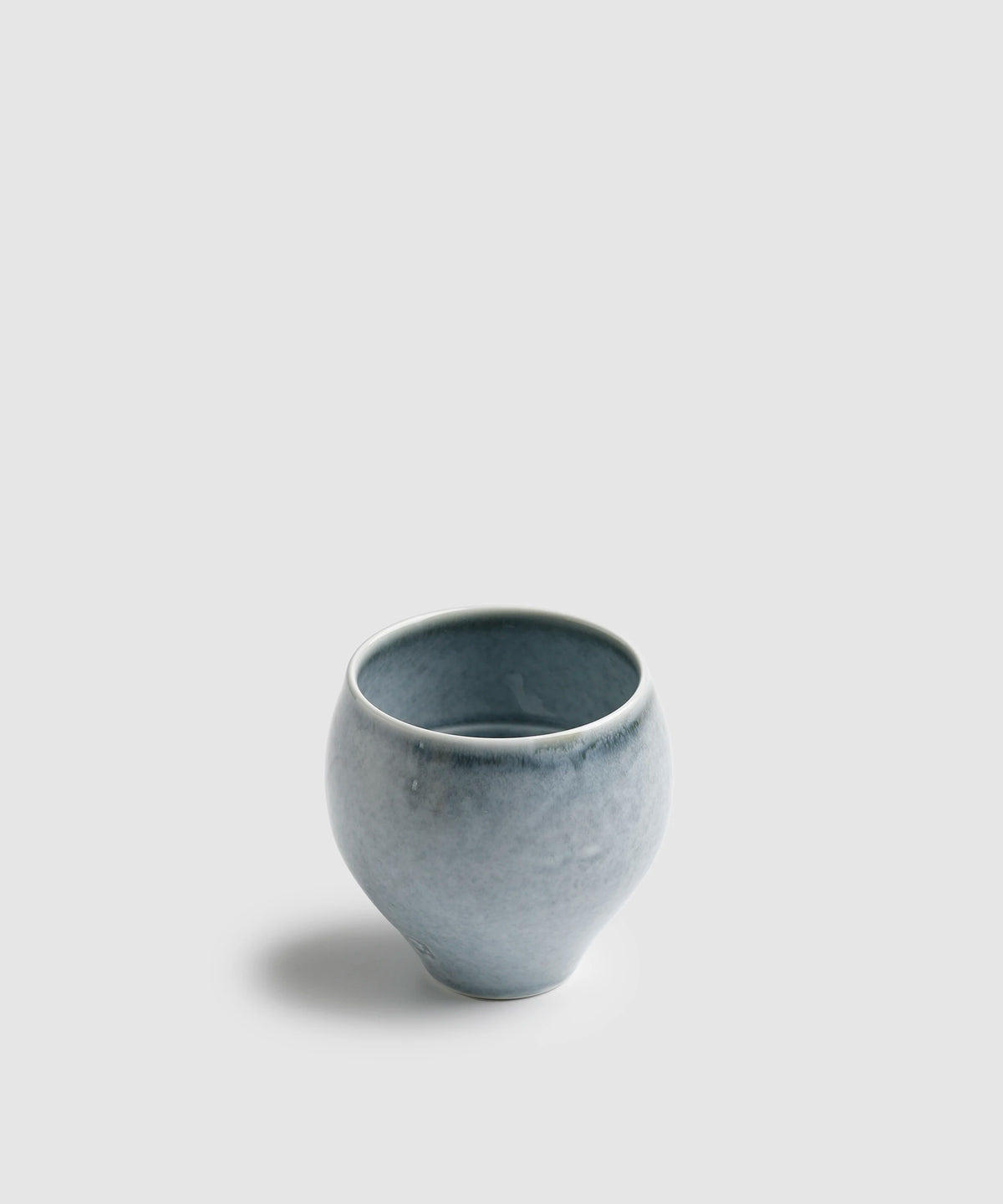
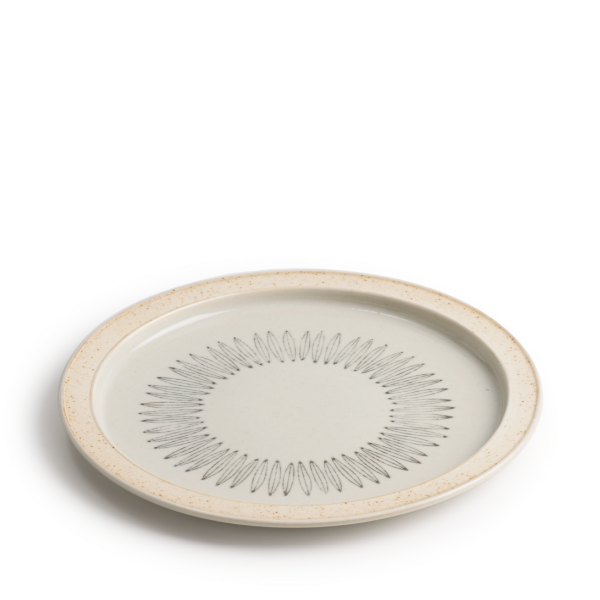
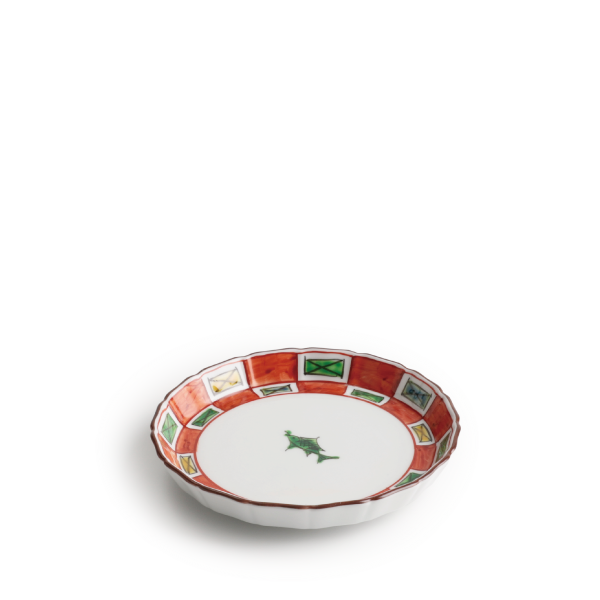
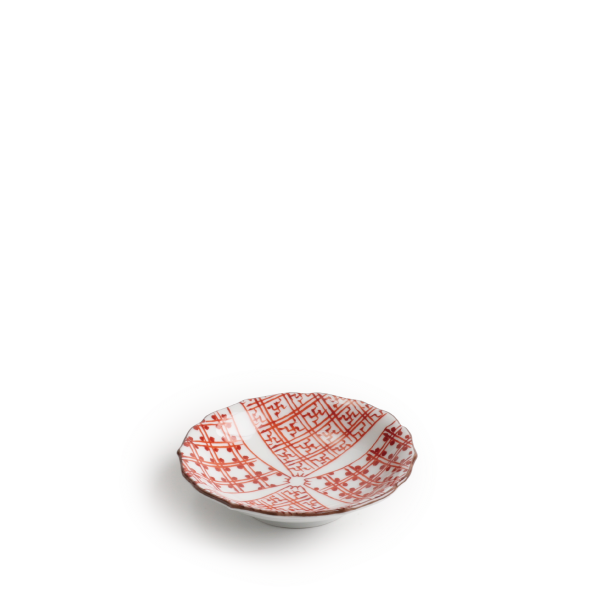
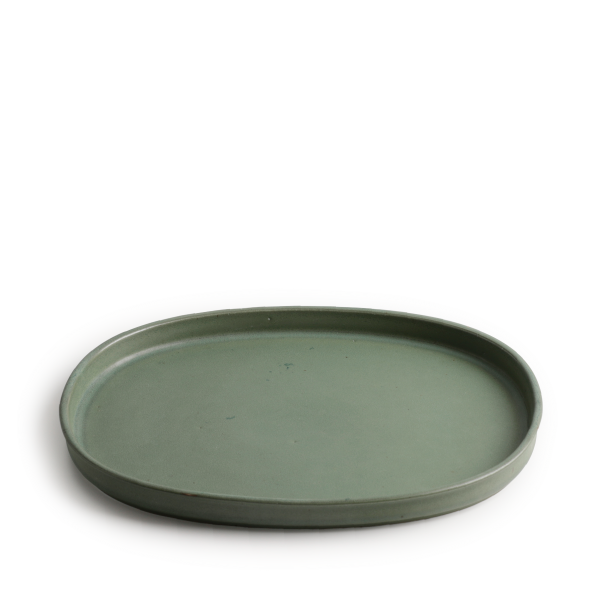
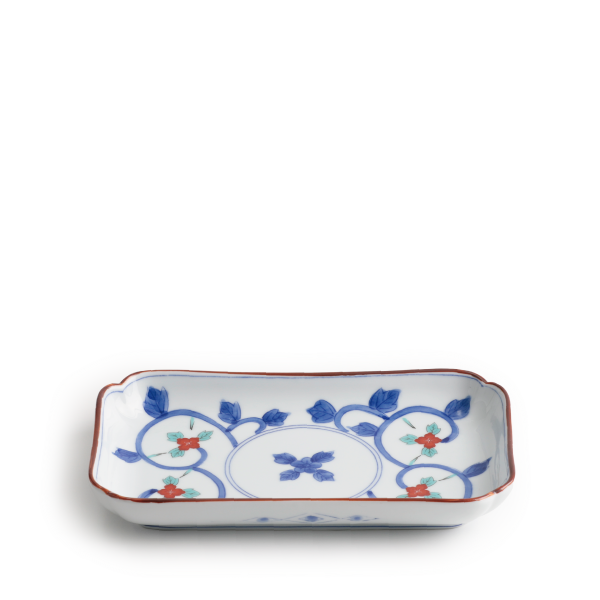
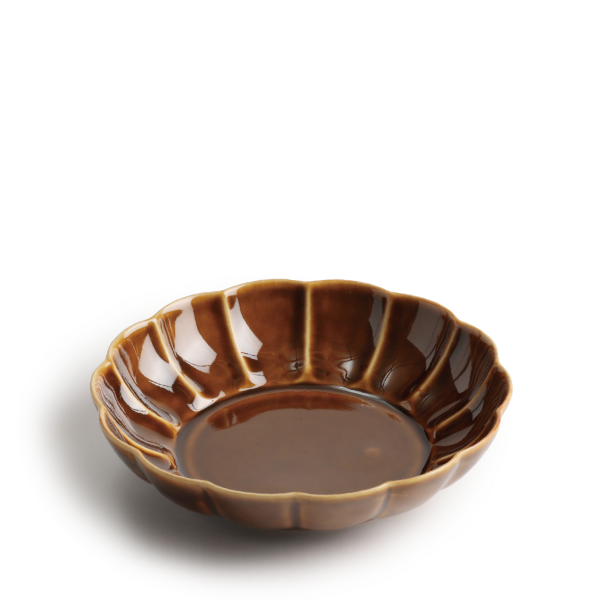
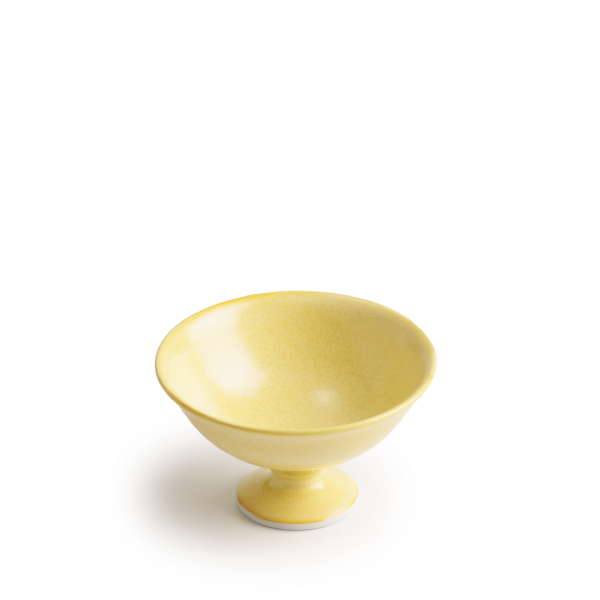
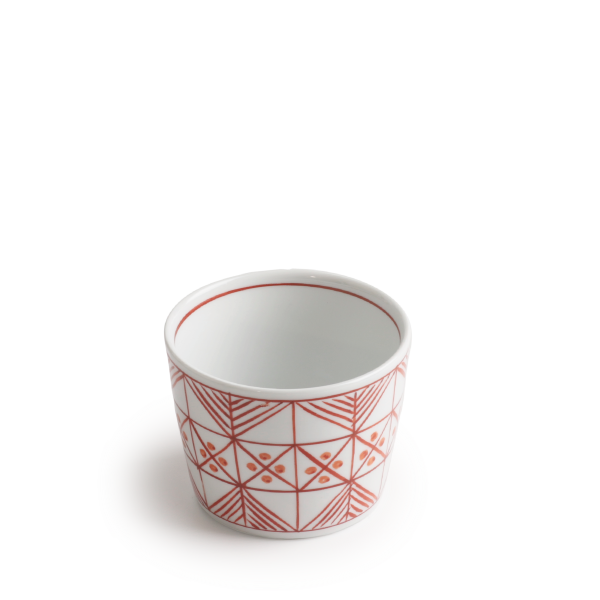
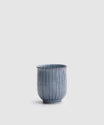
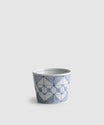
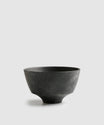
The Hizen region, where this "chunomi" (shochu cup) was born, is home to over 100 kilns. In this area, which has been firing porcelain for 400 years, each kiln possesses its own unique, inherited techniques. From blue-and-white and celadon to various glazes, by incorporating the craftsmanship of each individual kiln into a single form, the chunomi reveals a wide range of expressions despite being the same vessel. We are starting with our regular model, and we look forward to introducing new variations that embody the distinct character of each kiln as they become available. Please stay tuned.

Line up