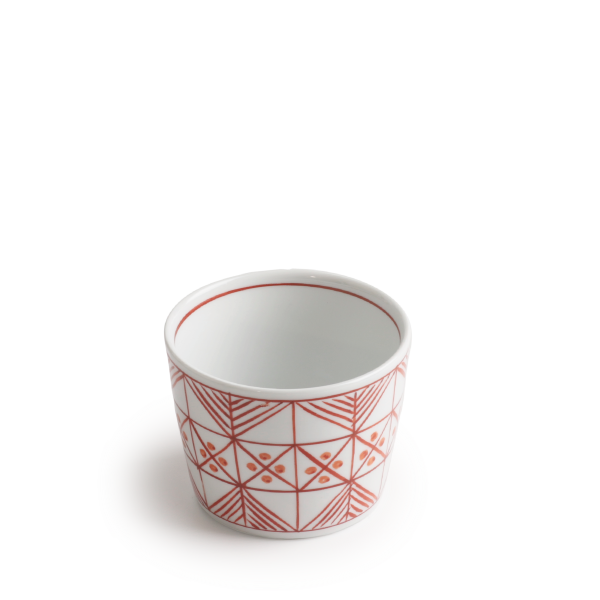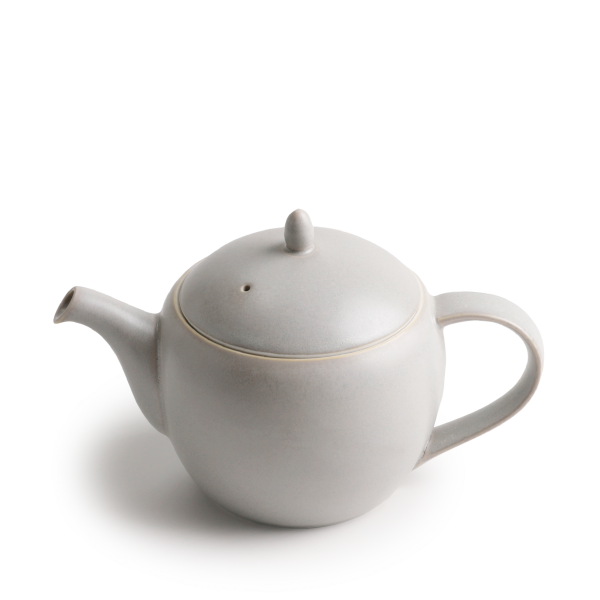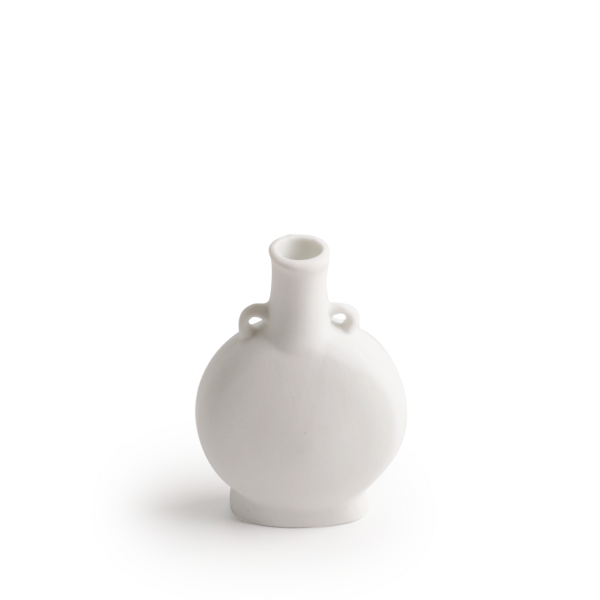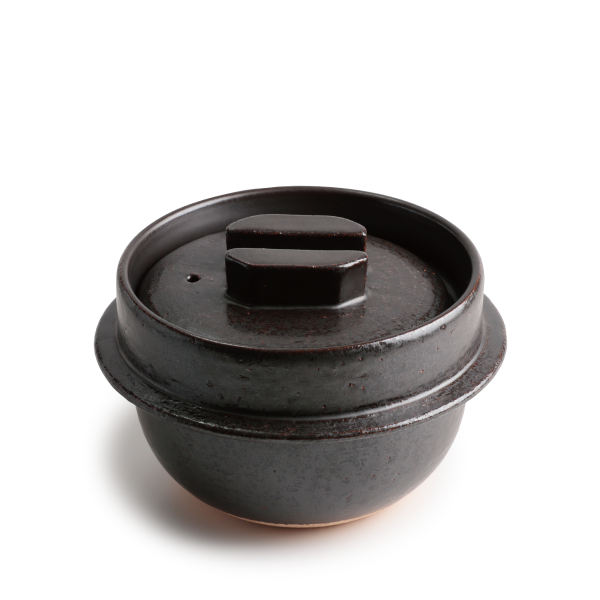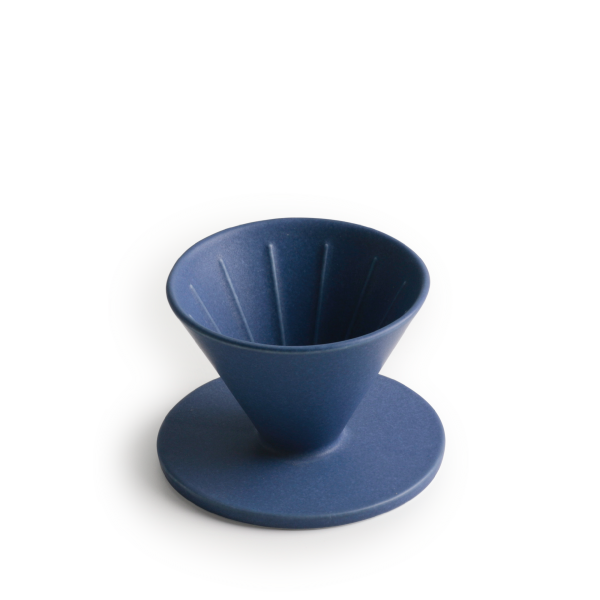


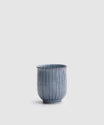


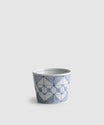







Development of recycled clay
Amakusa pottery stone, the raw material for Arita ware, is the only pottery stone in the world that can be turned into porcelain on its own without the addition of additives. Its reserves are said to be in the millions of tons, so it will not be exhausted anytime soon.
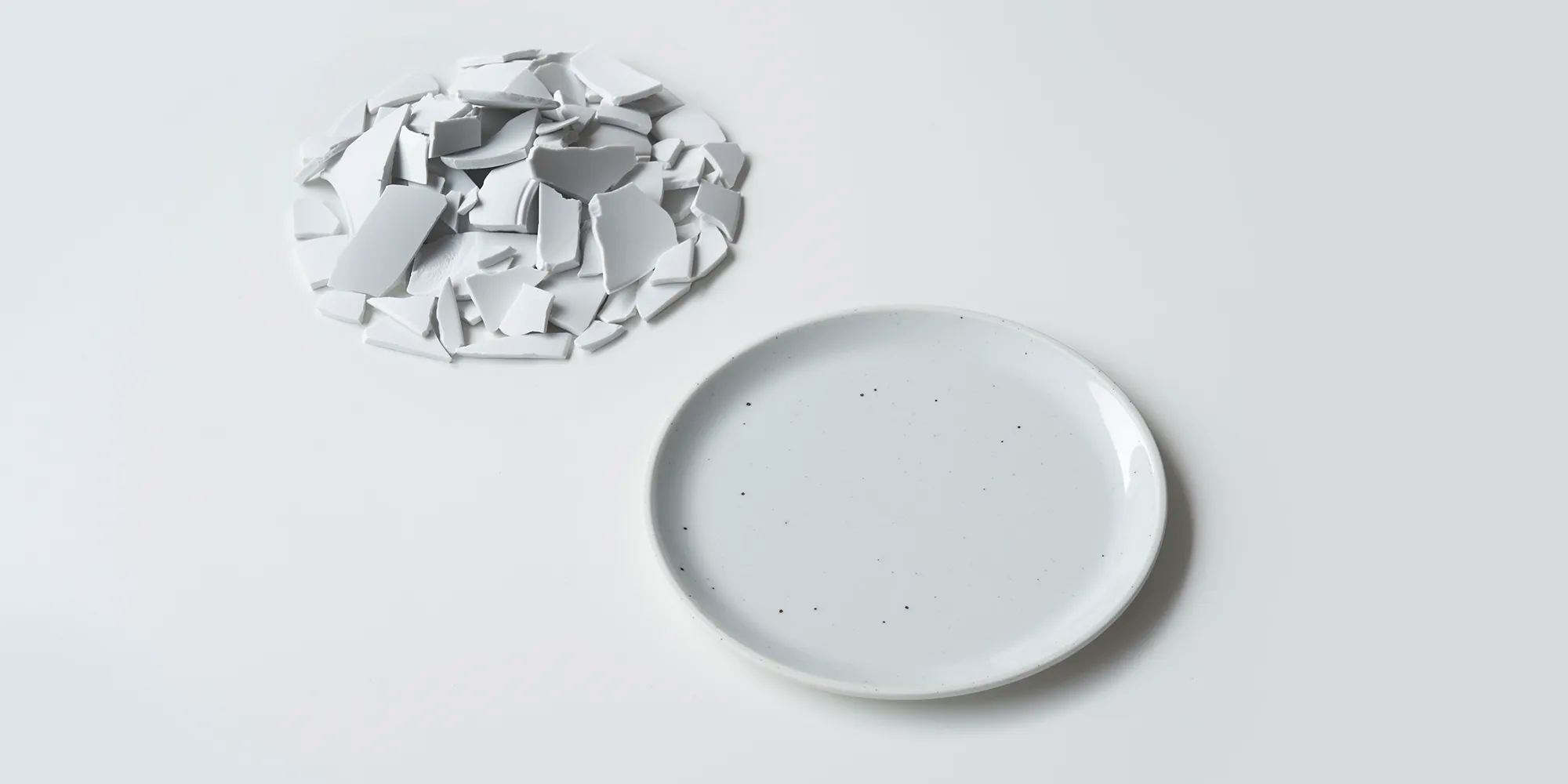
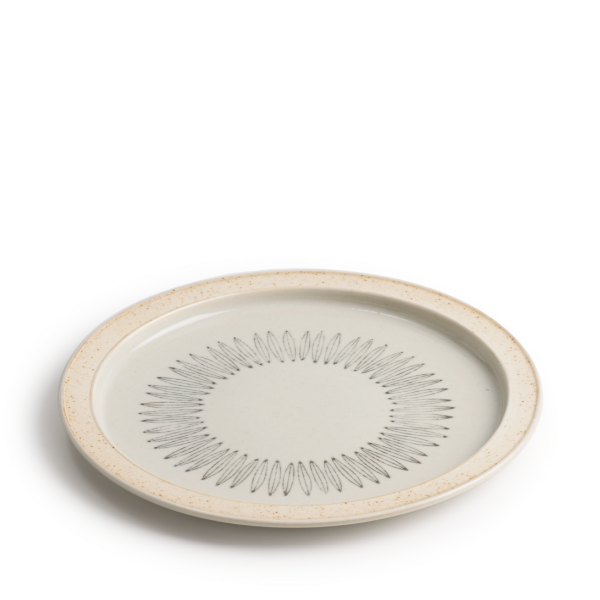
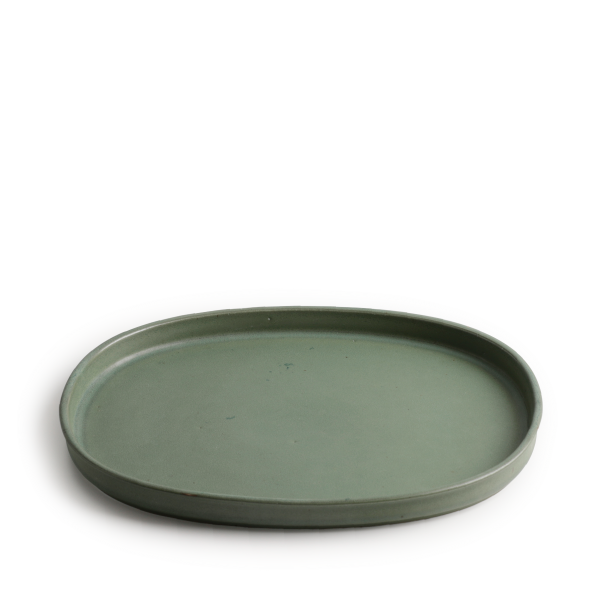
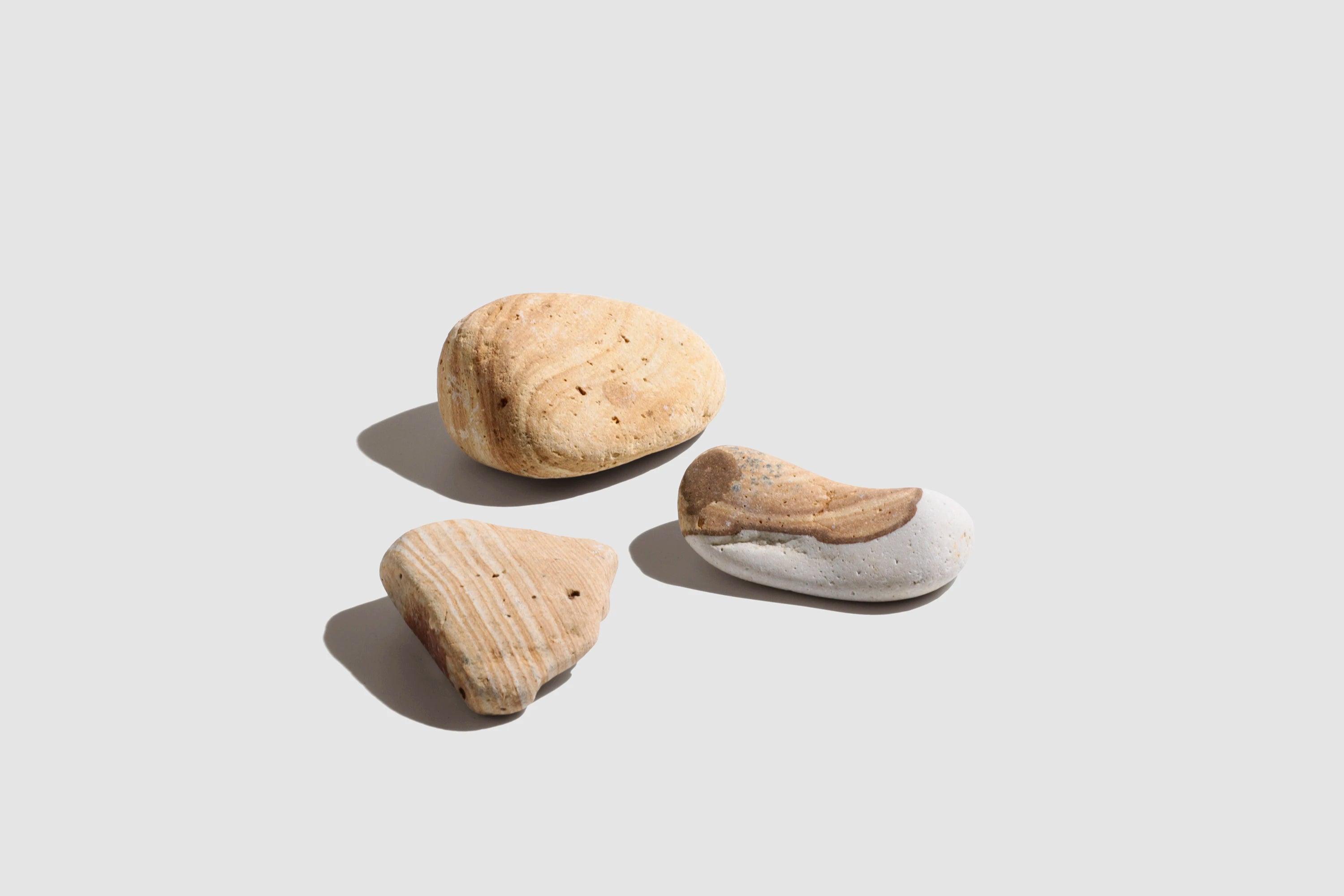
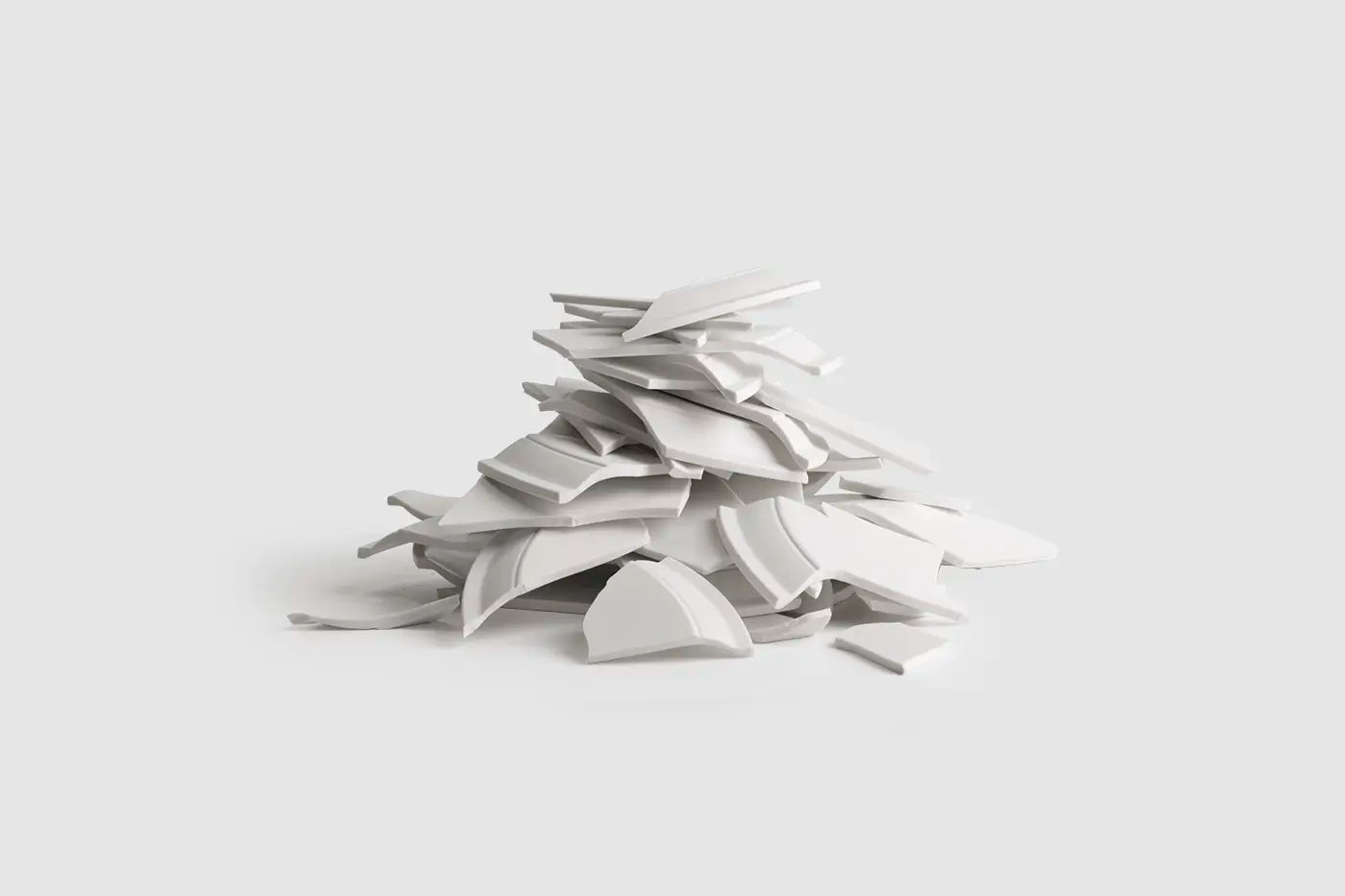
However, we do not want to lose sight of the fact that we are allowed to use natural materials provided by the Earth. As one way to give shape to our stance of manufacturing with respect for nature, we crush and reuse B-grade items that cannot be sold, which are generated during the manufacturing process. We have also developed, for the first time in this production area, recycled pottery clay using shima-ishi (striped stone), a type of pottery stone containing high levels of iron that has few uses in a production area that prioritizes whiteness.
Useless thing
Many ceramics, such as Arita ware, use natural raw materials, which can lead to unintended cracks or black spots. These are treated as "B-grade" items, and those that cannot be sold are disposed of as industrial waste. Feeling uncomfortable with this situation, I decided to crush and reuse them.
unused items
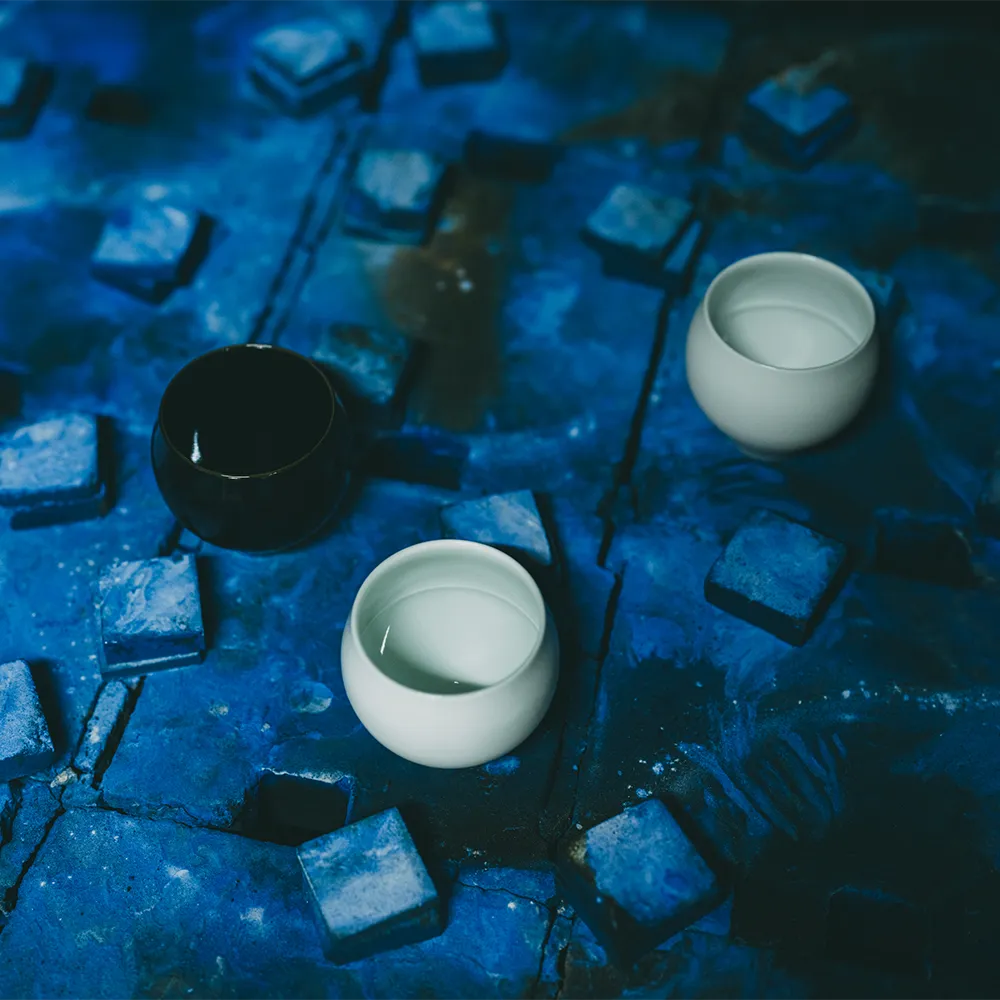
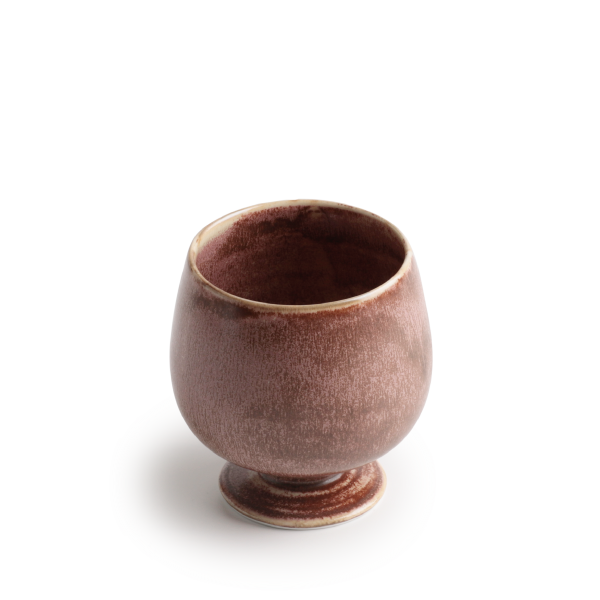
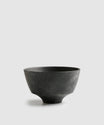
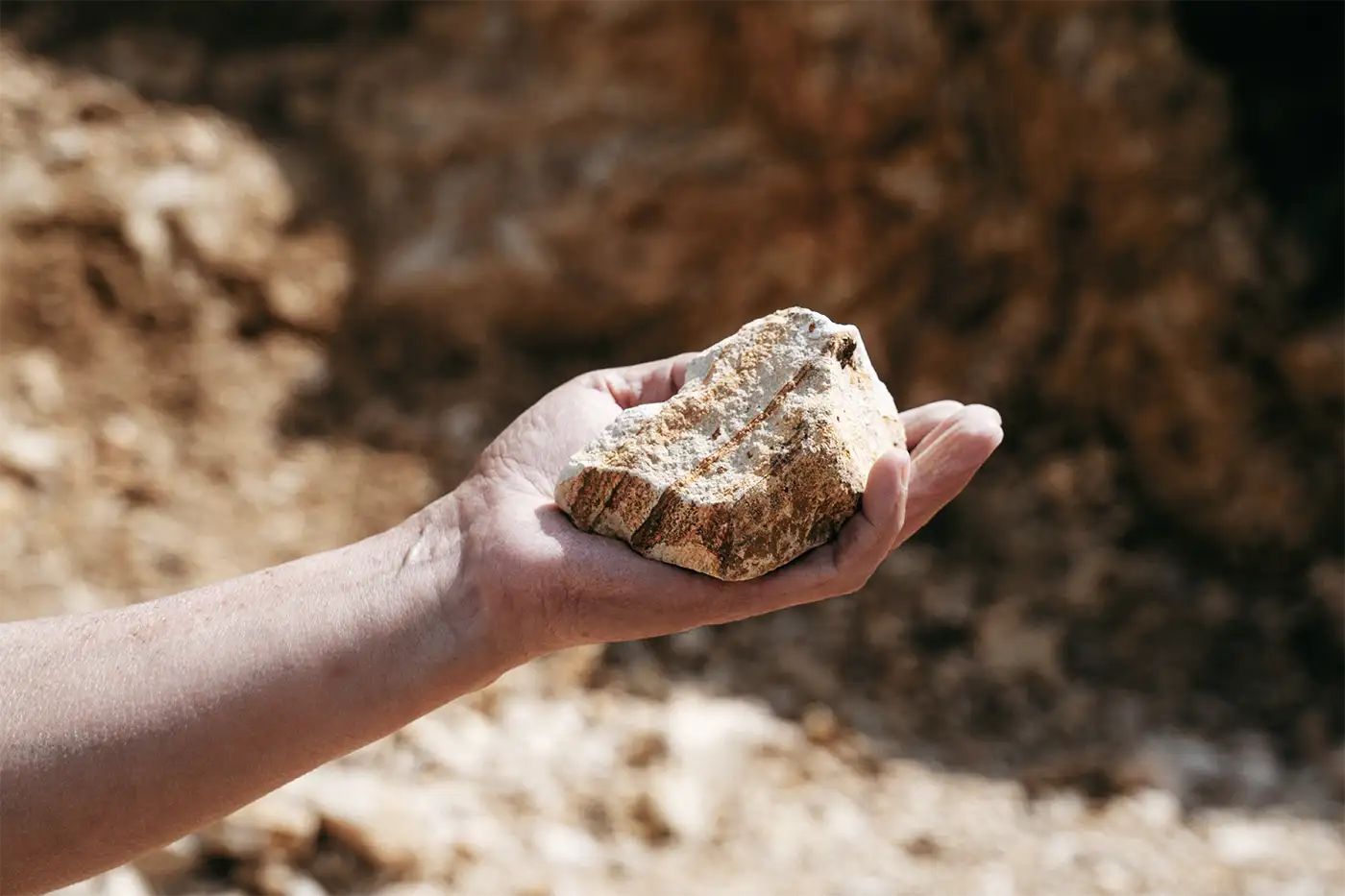
When you think of Arita ware, you imagine a pristine white. However, this is often due to stone sourced from a limited area within a mineral vein, or stone that has been processed repeatedly to achieve that whiteness. In contrast, we focused on a type of stone (shima-ishi) that is rarely used in this production area because it contains high levels of iron. While dishes made white through labor-intensive processes are fine, there are many ways to capture the appeal of a material, and a high iron content is one such characteristic. We intentionally chose to use a material that would otherwise be rejected, aiming to highlight its rich, expressive texture.
80%
This pottery clay is made from materials that are "unusable" and "unused."